Cold Snap, Sweeter Fork: What to Leave in the Ground This Month
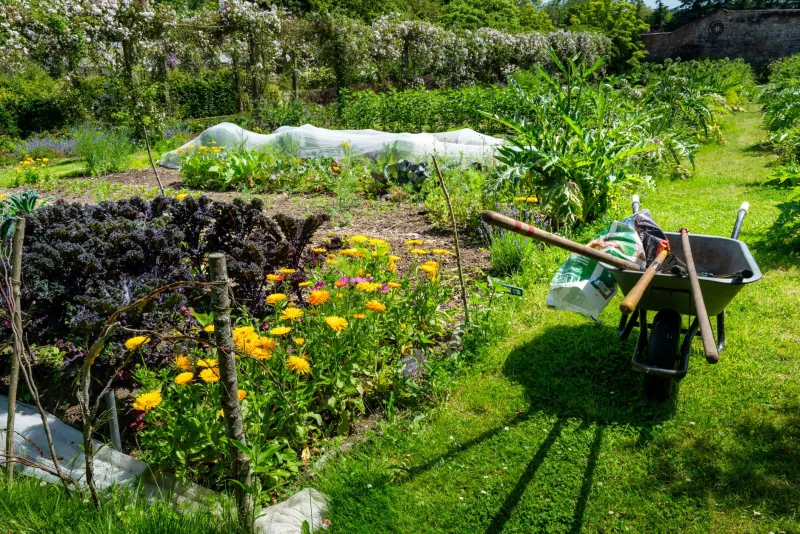
November has a way of making the veg patch look finished before it is. The beans are down, the courgettes are history, and the first proper frost is in the forecast. But a cold snap is not just a full stop. For a handful of crops, it is the moment their flavour turns a corner.
The reason is partly chemistry and partly plant survival. When temperatures drop, many hardy plants convert stored starch into soluble sugars. Sugars act a bit like antifreeze inside the cells, lowering the point at which ice forms and helping the plant ride out a cold night. That same shift often makes the kitchen end of the deal taste sweeter and less bitter. It is not a magic trick, and it does not work on everything — a frosted tomato is just a sad tomato — but these five earn their place in the ground.
Parsnips: the classic cold convert
Parsnips are the poster root for frost sweetening. Lift them too early and they can taste woody and a little dull; leave them through a few cold nights and the flesh becomes nutty and sweet. In most UK gardens, parsnips can stay in the ground from October through to February, lifted as needed. Mark the rows before the tops die back, because once the foliage goes, it is easy to lose them.
The caveat is wet, heavy soil. Parsnips may survive cold, but they do not enjoy sitting in a bog. If your plot holds water, lift a few spare roots before a prolonged freeze and store them in a cool, dark place. A mulch of straw or bracken helps against a sharp drop, but do not bury the crowns.
Table-to-plate: roast parsnips with brown butter and thyme. Cut parsnips into fat fingers, toss with oil and salt, and roast at 200C for 35–40 minutes until the edges catch. Melt a knob of butter with a few thyme sprigs until it smells nutty, pour over the hot parsnips, and finish with a squeeze of lemon.
Kale: ruffled leaves, sweeter bite
Kale is tough in more ways than one. Cold weather encourages sugar accumulation in the leaves, which takes the edge off any bitterness and makes the leaves more tender after cooking. Curly kale, cavolo nero and red Russian all benefit, though the tougher varieties need the frost most.
Pick outer leaves rather than stripping the crown, and avoid harvesting while the leaves are actually frozen — they bruise and go limp. In a severe cold spell, fleece or a cloche is sensible, especially on exposed sites. UK harvest timing is generous: kale can be cut from autumn right through winter, as long as the plants are established and not waterlogged.
Table-to-plate: wilted kale with lemon and hazelnuts. Strip the leaves from tough stems, wash, and wilt in a hot pan with a little olive oil and a splash of water. Toast chopped hazelnuts separately. When the kale is just tender, add lemon zest, a squeeze of juice and the nuts. Season and serve with whatever is roasting.
Brussels sprouts: wait for the nip
Sprouts are another crop that rewards patience. A frost helps them lose some of their raw, mustardy edge and brings out a rounder sweetness. Start picking from the bottom of the stalk upwards, taking firm, tight buttons rather than letting them blow out. UK sprouts are usually ready from October to March, depending on variety.
Tall stalks can rock in winter wind, so stake them if needed. Very hard frost can damage the outer leaves, but the buttons themselves usually hold on. If a severe spell is forecast, cut a whole stalk and keep it cool rather than leaving everything to chance.
Table-to-plate: charred sprouts with chestnuts and sherry vinegar. Halve sprouts and toss with oil, salt and pepper. Roast hot until the cut sides are dark in patches. Add cooked chestnuts for the last few minutes, then splash the tray with sherry vinegar while it is still hot. Finish with a little butter.
Leeks: the quiet survivor
Leeks are sturdy, unfussy and often overlooked. Frost mellows them, making the flavour sweeter and less sharp. They can stay in the ground through winter and be lifted as needed, which makes them one of the most useful crops on the plot in January. Earth up the stems a little if you want more white, but do not bury them so deeply that water sits around the shank.
In very hard weather, the tops may freeze and look sorry. They usually recover, but a mulch or a bit of fleece helps. The real enemy is waterlogged ground, so harvest before a long wet spell if your soil is slow to drain.
Table-to-plate: braised leeks with mustard and cream. Clean leeks thoroughly, slice thickly, and soften in butter with a pinch of salt. Add a spoonful of Dijon mustard and a splash of stock, cover, and cook gently until tender. Stir in a little cream or crème fraîche and finish with black pepper.
Jerusalem artichokes: knobbly and worth the wait
Jerusalem artichokes are not artichokes at all, but sunflowers with tubers, and they are one of the great winter treats. Their flavour mellows after cold weather, and the tubers are easiest to lift once the tops have died back. They can be left in the ground and dug as needed, but mark the patch — the stems vanish and the tubers do not.
Do not leave them in freezing, waterlogged soil for weeks on end. Lift a few at a time, and leave some in the ground for next year if you want a repeat crop. They spread willingly, so give them a corner where that is not a problem.
Table-to-plate: roasted Jerusalem artichokes with rosemary. Scrub or peel the tubers, cut into chunks, and toss with oil, salt and rosemary. Roast at 200C until tender and browned at the edges, about 30–40 minutes. A little garlic works well, and a squeeze of lemon stops the whole thing feeling too earthy.
The leave-it-or-lift-it chart
| Crop | What frost does | Leave in ground? | Harvest cue | Winter caveat |
|---|---|---|---|---|
| Parsnips | Turns starch to sugar; sweeter, nuttier flesh | Yes, in free-draining soil | Lift as needed after a few cold nights | Mark rows; lift before waterlogging |
| Kale | Raises sugar levels; softer, less bitter leaves | Yes, with shelter in severe cold | Pick outer leaves, not the crown | Do not harvest frozen leaves |
| Brussels sprouts | Softens bitterness; rounder flavour | Yes | Pick firm buttons from the bottom up | Stake tall stalks in wind |
| Leeks | Milder, sweeter stems | Yes | Lift as needed | Avoid boggy ground; mulch in hard frost |
| Jerusalem artichokes | Mellow flavour after tops die back | Yes, short term | Dig after foliage dies down | Harvest before ground freezes solid |
A sensible approach is to leave most of the crop in the ground and lift a small backup batch before a forecast of severe cold. Frost is a kitchen assistant, not a guarantee. The first hard frost does not need to empty the plot — it just changes what is on the plate.