Clove Decisions: A November Garlic Trial Worth Digging For
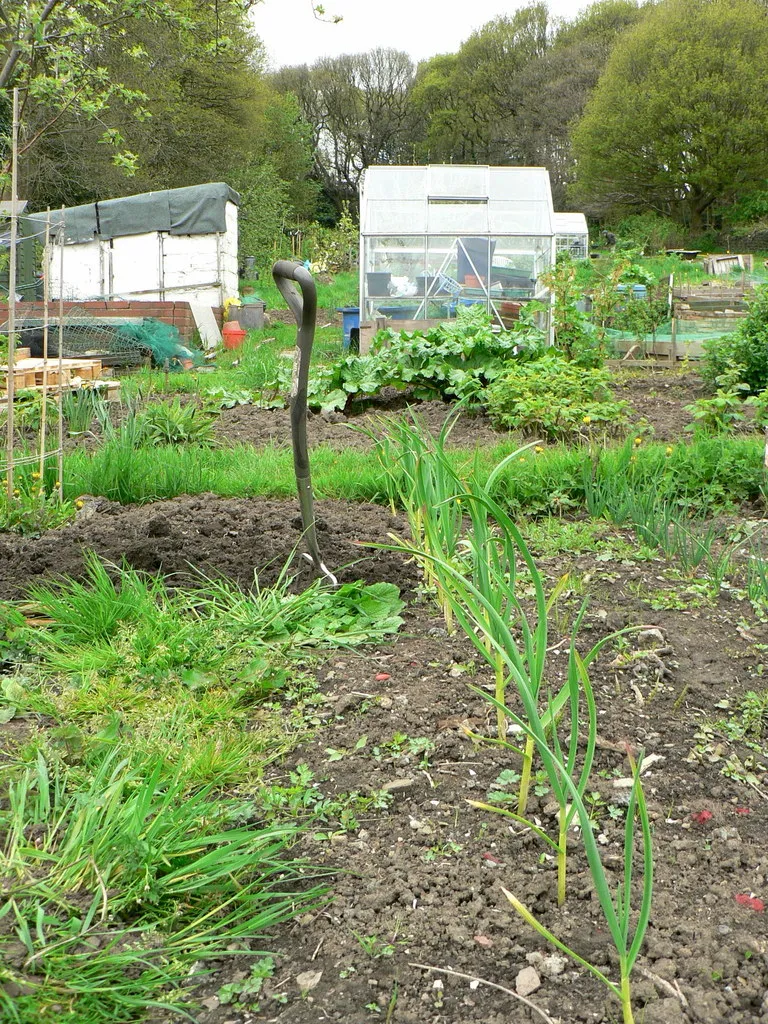
Photo: Rich Tea , CC BY-SA 2.0, via Wikimedia Commons
There is a particular kind of November indecision that settles over an allotment gate. The last beans have come down, the ground is starting to slump, and a bag of garlic cloves is sitting in the shed asking whether it has missed its moment. The received wisdom is straightforward enough: plant garlic in autumn, harvest big bulbs in summer. But British weather rarely does received wisdom by halves. A mild west-country November is a different proposition from a sodden clay plot in the north, and the question of whether to get cloves in now or hold them for spring is a fair one.
Rather than pick a side and hope, try a small, tidy experiment. It takes one afternoon, a few labels and the willingness to plant the same garlic twice. By harvest time you will have real evidence from your own soil, which beats any general rule.
Why autumn planting usually wins — and when it does not
Garlic is a bulb that responds to cold. A period of winter chill encourages the clove to split into a proper head rather than sulk as a single round bulb. Autumn planting gives the cloves weeks of cool, damp soil to root before the hardest frosts, so they hit spring running. In a good year, that means fatter bulbs and an earlier harvest.
The catch is drainage. Garlic hates sitting in water. On heavy clay, in a wet hollow, or in a bed that never quite dries out, November cloves can rot before they root. Frost heave can also push newly planted cloves out of the ground, especially if the soil is loose and bare. In those conditions, waiting until late February or March is not defeat; it is sensible husbandry.
Spring planting is the safer bet on wet ground, but it comes with a trade-off. The bulbs are often smaller, the harvest is later, and a dry spring can stall growth just when the plants need to size up. Some varieties are better suited to spring than others, but no garlic will thank you for being shoved into cold, gluey soil.
Choose cloves you can trust
Before the trial begins, sort out your planting stock. Supermarket garlic is a false economy: it may be treated to stop sprouting, and it can carry disease. Buy from a reputable UK supplier or use cloves saved from a healthy crop you grew yourself. Choose firm, plump cloves from the outer ring of the bulb and leave the small, papery inner ones for the kitchen.
Variety matters. Hardneck garlics such as 'Music' and 'Chesnutt' tend to produce stiff stems and decent-sized cloves, and they usually relish a cold start. Softneck types like 'Solent Wight' and 'Picardy Wight' are reliable British favourites, store well and often cope with a spring start if that is what your plot demands. If you are in a mild coastal area, you have more autumn options; if your ground is cold and wet, lean towards a softneck and keep the spring row as insurance.
Prepare the bed without fuss
Garlic wants sun, free-draining soil and a weed-free start. Dig the bed over lightly rather than creating a fine tilth that will cap in the rain. If your soil is heavy, open it up with compost and a handful of grit per square metre, and consider planting into raised rows so water runs away rather than pooling around the cloves. Do not add fresh manure; garlic dislikes rich, loose conditions and will make leaf at the expense of bulb.
A week before planting, fork through any compacted layers and remove perennial weed roots. Garlic is a slow starter and does not compete well with couch grass or creeping buttercup. A pH around 6.5 to 7 is comfortable, but most UK plots will grow decent garlic without a chemistry set. The important test is simpler: squeeze a handful of soil. If water runs out between your fingers, wait or plant elsewhere.
The November planting method
Separate cloves from the bulb just before planting, leaving the papery skin on. Push each clove into the soil, pointy end up, about 2–3cm deep and 10–15cm apart. In colder areas or very loose soil, go a little deeper — around 5cm — to reduce frost heave. Rows can be 25–30cm apart, close enough to weed easily but far enough for air to move.
Water gently after planting, then leave the weather to do the rest. A mulch of garden compost or straw after the first frost will help steady the soil temperature and suppress weeds. Do not mulch too early on wet ground, or you will create a cosy blanket for slugs and rot. Mark the row clearly. Garlic is notorious for vanishing into the winter beds, and a label now saves a fork through the cloves in February.
Set up a fair side-by-side trial
The point of the trial is not to prove that one method is always right. It is to find out what works on your plot, in your soil, in this particular winter. Pick one variety and split the cloves into two groups of similar size. Plant group one this month. Keep group two in a cool, dry, well-ventilated place — a shed shelf or paper bag, not the fridge — and plant it in late February or early March.
Give both groups the same bed conditions if you can: same soil, same sun, same spacing. If your plot is uneven, use two large containers or raised-bed modules instead. Label them 'November' and 'Spring' and resist the urge to muddle them. Record the planting dates, the number of cloves, and anything odd that happens along the way.
Through winter and spring, note when shoots appear, how many survive, and whether rust or white rot shows up. At harvest, lift both rows on the same day, dry them together and compare bulb size, clove count and keeping quality. Taste matters too: roast a bulb from each row and see which has the stronger flavour.
What to do if November turns nasty
If the forecast is for a week of stair-rod rain, plant into raised rows or pots rather than forcing cloves into a puddle. If a hard frost is followed by a thaw that lifts the soil, check the row and firm any cloves back in. Slugs can graze young shoots in a mild winter; a night patrol or a beer trap is usually enough on a small plot.
And if the November row fails? That is not a wasted experiment. It is the reason you kept the spring cloves. The trial still tells you something useful, and you will go into next autumn knowing whether your plot is an autumn-garlic plot or a wait-until-spring plot.
The gamble, in the end, is not really about luck. Plant some now, hold some back, and let the bulbs do the talking.