Courgettes at the Gate: Running a Produce Swap That Stays Friendly

Photo: UK community produce swap table allotment vegetables honesty box, via facts.net
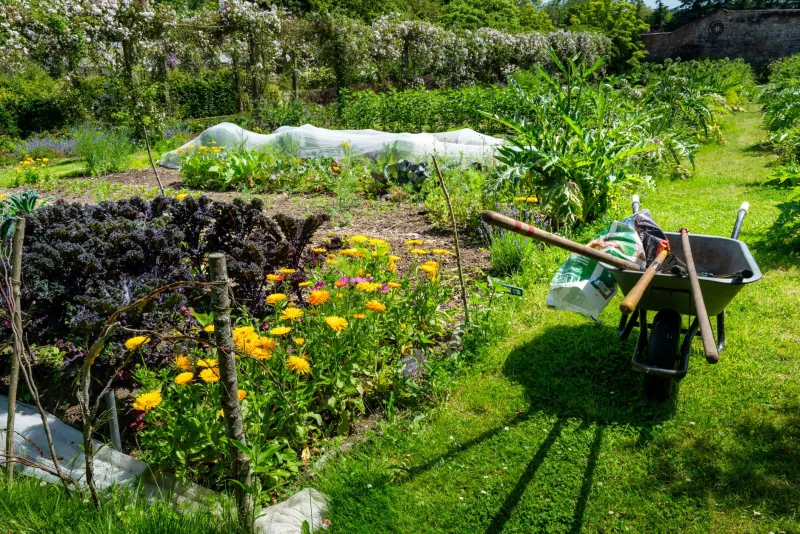
There comes a point in late summer when the courgette plants are producing faster than anyone can eat, and the apple tree is dropping fruit onto the lawn with the enthusiasm of a small dog. You can compost it, freeze it, or press it on the neighbours. Or you can set up a produce swap and discover that everyone else has a glut too, just of something different.
The honesty-box harvest is not really about money. It is about the bit of the Gardens to Tables tagline that says share it. A table at the allotment gate, a village hall porch, or a dry doorstep can turn a lonely pile of beans into a small, self-policing community. The trick is to keep it simple, clean and clearly not a shop.
Start small, somewhere visible
A produce swap needs a place where people already pass by. The allotment gate is ideal, as is a village hall entrance, a community fridge lobby, or a covered porch with permission from whoever owns it. Put it somewhere sheltered from rain and sun, and somewhere you can check at least once a day.
Start with five or six households rather than advertising to the whole parish. A small table, a couple of crates, a laminated sign and a WhatsApp group are enough. The sign should say what the table is, when it is checked, and the basic rule: take what you will use, leave what you can spare. No prices. No pressure. No turning up with a boot full of marrows and expecting a captive market.
The rules on a laminated card
The best swaps run on etiquette rather than bureaucracy. Ask people to bring produce that is clean, fresh and labelled. Encourage them to take only what they need for the next few days, and to leave something for someone else. A swap is not a food bank, and it is not a free shop; it is a neighbourly exchange with a healthy dose of self-policing.
It helps to have a named volunteer who checks the table each morning and clears anything tired. A rota spreads the work. A noticeboard or group chat can flag what is arriving, what is wanted and what is going to be cleared at the end of the day. If someone repeatedly treats it as a one-way harvest, a quiet word usually does more than a public notice.
Labels and food safety
Fresh fruit and vegetables are the easy part, but labels still matter. Write what it is, when it was picked, and whether it was grown at home, on the allotment or foraged. If you are sharing cooked or preserved items, list the ingredients and the date they were made. People with allergies need to know what is in a jar or a cake, and a label is not the place for guesswork.
Keep high-risk foods out of the swap unless you have proper advice and a good system. That means no raw meat or fish, no unpasteurised dairy, no home-canned low-acid preserves and no mystery leftovers. Home-made jam, chutney and cordial are usually fine when made properly and labelled. Eggs should be clean, fresh and labelled with a date; some swaps allow them, others do not. Check with your local environmental health team if you are unsure, especially if the swap is in a public building.
Windfall apples need a little care. Do not put bruised, rotten or mouldy fruit on the table. Wipe clean fruit, cut away damaged bits before cooking, and label windfalls clearly as best for cooking rather than eating raw. Courgettes should be picked young and firm; a marrow is a lovely thing, but it needs a label and a recipe suggestion so it does not sit there until it becomes a science experiment.
The last courgettes and windfall apples
A swap table can turn into a fly trap if it is left to fend for itself. Keep it shaded, cover it with a mesh food cover or a light cloth, and check it twice a day in warm weather. Put a lidded compost caddy nearby so tired produce can be cleared without a trail of fruit flies. Empty the caddy regularly.
If the table is overrun, do not just dump the surplus. Grate courgettes and freeze them in portions, stew apples for the freezer, or turn the glut into a batch of chutney for the next swap. A small recipe card beside the table can do more than a lecture. Someone will take a marrow if you tell them it makes a decent curry.
Keeping it going
A produce swap works best when it has a rhythm. A regular Saturday morning table, a seasonal theme and a volunteer rota keep it from becoming a soggy pile of good intentions. In winter, the table might hold seeds, plants, preserves, spare tools or books rather than fresh veg. That is fine. The point is the habit of sharing what the garden gives, and of making a glut feel like a community asset rather than a personal burden.
When it works, the honesty-box harvest is not just a table of courgettes. It is the neighbour who finally tries chard, the new allotmenteer who gets a bag of seed potatoes, and the quiet satisfaction of leaving a jar of chutney where someone else will find it. A glut becomes community rather than compost, and the table at the gate becomes the most useful thing in the village.