The Muck-and-Leaf Furnace: A Back-Garden Hotbed for Early Starts

Photo: UK allotment hotbed fresh manure autumn leaves cold frame, via c8.alamy.com
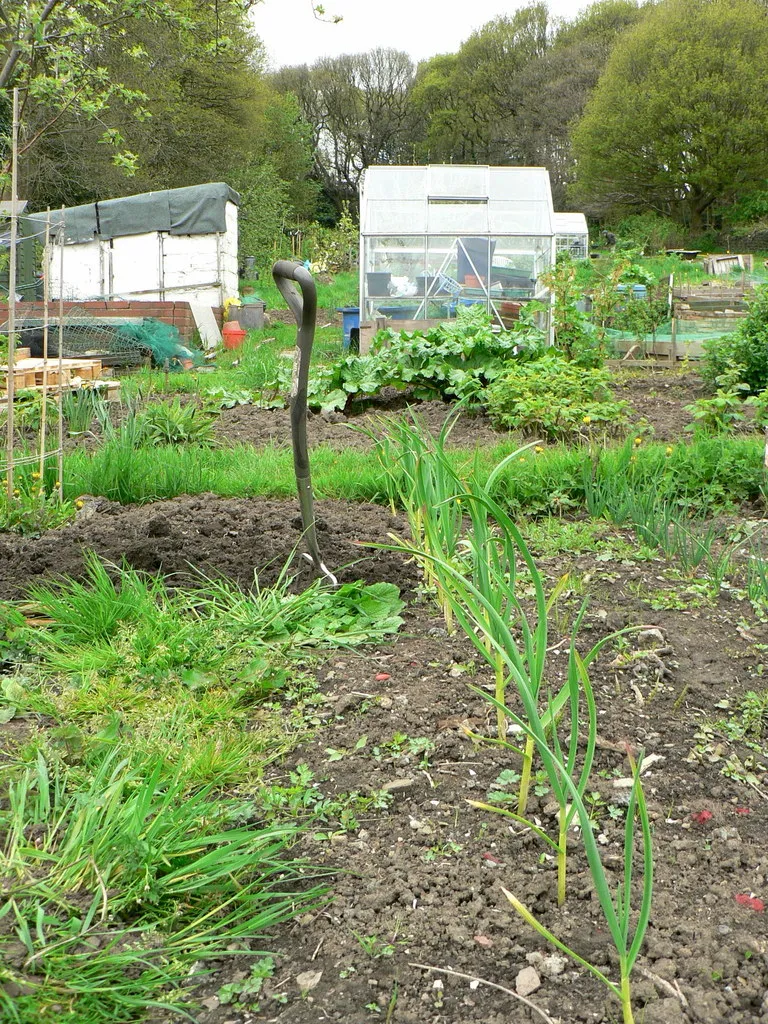
November is the month when the plot hands you two things in bulk: soggy leaves and a wheelbarrow of muck. Most of us treat both as a nuisance to be shifted before the ground freezes. A hotbed is a way of being smug about it. You pile the stuff up, cover it with a frame, and let the decay do the winter work of warming an early seed bed.
It is an old idea, older than the garden centre. Victorian kitchen gardens used hotbeds to force early crops and even grow pineapples, which sounds absurd until you remember how much horse manure a country estate could produce. The principle is simple: fresh organic matter, stacked in the right proportions and kept slightly damp, heats up as micro-organisms break it down. That heat rises through a layer of soil and gives seeds and young plants a warmer root zone than the open ground can offer in February.
What a hotbed actually does
A hotbed is not a greenhouse and it will not turn a wet Yorkshire February into the Mediterranean. What it does is provide bottom heat for a few weeks, often somewhere between 15°C and 25°C inside the mound, depending on the ingredients and how well you have insulated the sides. That is enough to get lettuce, radish, spinach and early salads moving, or to give transplants a kinder start before they face the wider world.
The heat is a by-product, not a thermostat. It will spike, settle and eventually fade. Treat it as a season-extending tool rather than a permanent heating system.
The build: a heap with a lid
Pick a level, sheltered spot that is easy to reach in wet weather. Near the path, the water butt and the shed is better than a heroic corner at the far end of the allotment. A traditional bed might be about 1.2 metres wide and 1.5 to 2 metres long, though a smaller pallet-collar version is fine for a first go.
Start with a layer of coarse twigs or chopped stems at the base for drainage. Then alternate autumn leaves and fresh horse manure, roughly equal by volume, firming each layer as you go. Strawy manure is ideal; pure sloppy muck can turn into a sour, airless mess. If the leaves are bone dry, water them as you build. If they are sodden, mix in more dry material.
Keep going until the heap is around 60 to 75 centimetres deep. The sides will settle, so do not panic if it looks generous at first. Finish with 10 to 15 centimetres of sieved soil or good compost. That is the layer your seeds and roots will actually touch. Then add a frame, a cold frame, or a hoop-and-plastic cloche over the top so the warmth stays put and the rain does not turn the whole thing into a swamp.
Which crops justify the faff
Not everything deserves a place on the hotbed. Heat-loving crops such as tomatoes and peppers still need light, and sowing them too early in low winter light simply produces pale, stretched seedlings. The best candidates are hardy or semi-hardy crops that benefit from a warm start without needing a tropical summer.
Early lettuce, radish, spinach, spring onions and cut-and-come-again salad leaves are the sensible choices. You can also use the bed to bring on young plants for later planting out, or to root cuttings and early herbs. A few early carrots can work if the frame keeps the worst weather off, though you will need to watch for slugs and mice. Keep a max-min thermometer in the soil layer and another in the air inside the frame; the difference will tell you whether to vent or wrap up.
Realistic expectations
A hotbed can smell. It can attract mice and rats. It can produce a dark, nutrient-rich runoff that needs somewhere sensible to go. It can also overheat on a mild, sunny day, so ventilation is not optional. Prop the frame open in the morning and close it before the temperature drops.
Be careful with manure. Ask the supplier whether it comes from animals grazed on pasture treated with aminopyralid or similar herbicides, because residues can wreck tomatoes and potatoes. Never plant directly into the fresh manure layer; the soil or compost cap is there for a reason. And if the heap is near a wall or fence, leave a little breathing space so damp does not creep into timber.
When the heat fades
The first flush of heat may last three to six weeks, sometimes longer. After that, the bed becomes a rich, friable mound rather than a radiator. Use the remaining warmth to harden off young plants, then clear the frame and move the contents to a compost heap or use them as a mulch once the crops are finished. The spent heap is not rubbish; it is next year's soil improvement.
A hotbed is not a magic trick. It is a way of turning November's rubbish into February's head start, and of getting a little more from a small plot without buying another electric propagator. If it warms a few seed trays and gives you an early cut of lettuce, it has earned its space.