After the Sparks: An Ember-Cooked Supper from Late Roots and Windfall Apples

Photo by Photo by Ross Sneddon on Unsplash on Unsplash
There is a particular moment on a November night when the bonfire stops being a spectacle and becomes something far more useful. The flames have gone, the crowd has thinned, and what is left is a bed of ash with a deep orange heartbeat. That is the point to fetch the root bed. Not the fireworks, not the first roar of the fire — the quiet, steady heat that will cook a whole supper if you treat it with a bit of respect.
This is not about fancy kit. It is about foil, a pair of long tongs, and whatever the plot has not yet surrendered to the frost. The bonfire becomes an outdoor oven, and the meal tastes of smoke, soil and the last honest bits of the season. Frugal, yes. A little bit magical, also yes.
The Ember Oven, Not the Flame
Flames are restless and uneven. Embers are patient. Once the fire has collapsed into a glowing bed and the ash has started to build up, you have a heat source that will hold for an hour or more. Think of it as a low oven with a smoky ceiling. You are not grilling; you are baking and steaming in foil.
Wait until there are no leaping flames and no obvious smoke from treated wood. The embers should be red-hot underneath a layer of grey ash. Rake them gently into a flat-ish bed with a metal tool, not a plastic one, and keep a bucket of water nearby. This is the point where a bonfire supper is either calm and brilliant or a trip to A&E, so give it the attention it deserves.
What the Plot Still Gives You
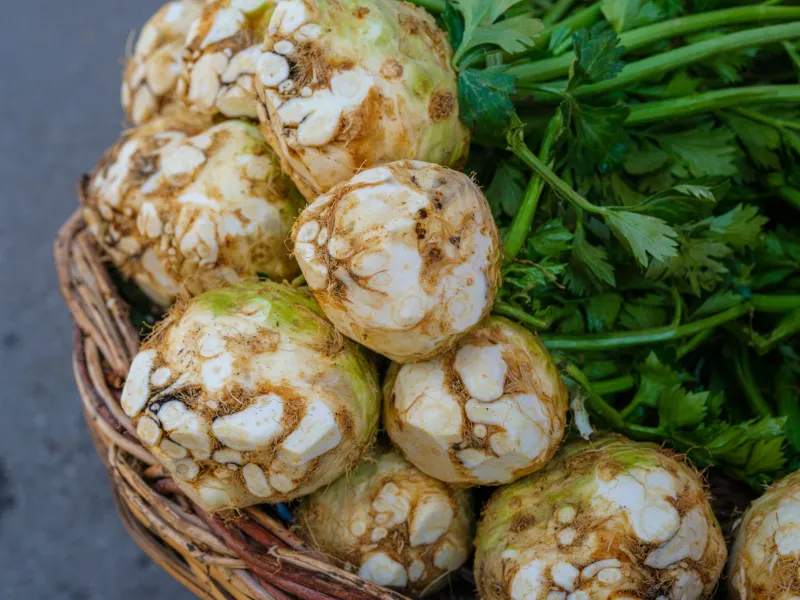
Late November roots are made for this. Parsnips, carrots, beetroot, celeriac, potatoes and onions all take kindly to ember heat. Leeks can be wrapped in foil with a knob of butter and a pinch of salt. Windfall apples are the pudding, especially the bruised ones that are no good for storing. If the plot has a few tough kale leaves, they can go in for the last ten minutes, though they will not need long.
Celeriac is the one that surprises people. Raw, it is nutty and crisp. Wrapped in foil and buried in ash, it goes soft and sweet with a proper smoky edge. Beetroot should be left whole and unpeeled, then rubbed clean once it is tender. Potatoes want pricking so they do not explode. Apples want their cores out and a little butter and cinnamon in the cavity, or nothing at all if you plan to eat them with cheese.
Foil, Ash, and a Little Patience
Use heavy-duty foil and double-wrap anything that will sit directly in the ash. A single layer will tear. Give each parcel a slick of oil, a good pinch of salt and whatever herbs are still standing — thyme and rosemary are usually still game in November. Seal tightly so steam stays in and ash stays out.
Timings are rough rather than rigid. Small potatoes and beetroot: 40 to 50 minutes. Carrots and parsnips: 30 to 40 minutes. Celeriac wedges: 45 to 60 minutes. Whole apples: 20 to 30 minutes. Bury the parcels in the ash or set them on a metal grate just above the embers, then turn them once halfway through. Check with a skewer; if it slides in without a fight, the vegetable is done. If the embers are fading, add a little untreated wood to one side and let it catch, then push the parcels towards the new heat.
Do not bury foil parcels in ash that has been used for rubbish, plastics, or anything you would not want touching your food. This is an outdoor oven, not a bin fire. Keep the cooking area separate from the fire pit’s scrap heap, and use long tongs, not a hopeful stick.
Pairings from the Kitchen Shelf
The best ember suppers are assembled rather than plated. Mash the celeriac with a little butter and plenty of black pepper, then sharpen it with lemon juice and a spoon of yogurt. Beetroot wants something cold and sharp: crème fraîche with horseradish, or a splash of cider vinegar and a few toasted seeds. Parsnips are happy with mustard or a drizzle of honey. Apples can go sweet with cream, or savoury with a slice of sharp Cheddar and a few walnuts.
Put everything on a board with bread from the freezer, warmed at the edge of the embers, and let people help themselves. This is the kind of meal that does not need a recipe so much as a rough plan and a hot pair of gloves. It also costs very little, which is part of the point. The fire is already lit; the roots are already in the ground; the apples are already on the grass.
A Word on Safety and the Morning After
Never cook over a fire that has been built with accelerants, painted wood, or anything plastic. Keep children and pets well back from the ember bed. Have water to hand, wear heatproof gloves, and do not leave food in the ash overnight unless you are certain the fire is fully out and the parcel is still sealed. In the morning, check the ash for any warmth before you tip it onto the compost. Foil should go in the bin, not the soil.
Then clean the ash off the root skins, put the board on the table, and eat in the dark with the smell of smoke still in the air. The bonfire has done its noisy work. The quiet work — the cooking, the sharing, the last of the plot on a plate — is the better part.