The November Green Tomato Triage: What to Ripen, What to Simmer, What to Crunch
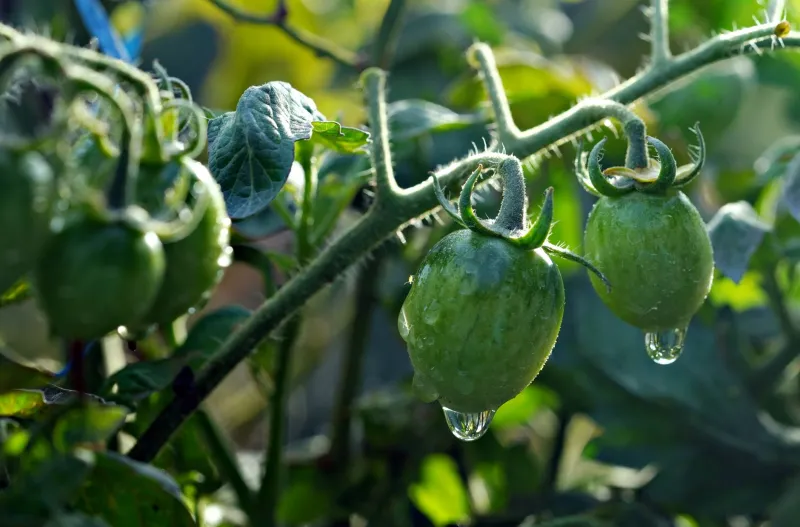
There is a particular November moment when the forecast flips from “chilly” to “frost” and every gardener with a tomato plant starts doing mental arithmetic. How many are still green? How many will ripen on a windowsill? And how many can we realistically turn into something before the first hard frost turns the plot into a rather sad salad bar?
In 2026, with the mild autumn many of us have had, there are still trusses hanging on. Some will be marble-hard. Some will be starting to blush. A few will be caught between green and gone. The trick is not to treat them all the same. A green tomato is not a failure; it is an ingredient with a different job. This is the triage.
First, decide what is worth ripening
Not every green tomato deserves a sunny windowsill. Small, firm, unblemished fruit will usually ripen indoors. Larger ones that have reached full size but not colour are also good candidates. Anything with blossom-end rot, splits, mould or a suspicious soft patch should be diverted straight to the chopping board — or the bin, if it is truly dubious.
The old banana-in-a-paper-bag trick still works because ripe fruit gives off ethylene, which nudges its neighbours along. Keep the bag loosely folded, check daily, and do not cram in so many tomatoes that you create a humid little compost club. A single layer on a plate near a kitchen window is simpler if you have the space. Turn them every couple of days. Once they colour, eat them quickly, because indoor-ripened tomatoes are often better in a sauce than in a salad.
Be realistic. Ripening is slow in November light. If you have a bucketful, choose the best dozen for the windowsill and send the rest to the kitchen. That is not defeat; it is good housekeeping.
Route one: a spiced green tomato chutney
Chutney is the classic rescue route for a reason. Green tomatoes have acidity and structure, and they take spice, sugar and vinegar beautifully. This is the batch to make when you have a mixed pile — some firm, some slightly blushed, a few odds and ends from the veg drawer.
Roughly chop 1kg green tomatoes and put them in a heavy pan with 2 sliced onions, 2 chopped cooking apples (windfalls are ideal), 150g soft brown sugar, 300ml malt or cider vinegar, a thumb of grated ginger, 2 crushed garlic cloves, a teaspoon of mustard seeds, a teaspoon of ground cumin and a pinch of chilli flakes. Add a cinnamon stick if you like. Bring to a simmer, then cook gently for 45 minutes to an hour, stirring now and then, until the mixture is thick and glossy and a spoon dragged through leaves a clear trail.
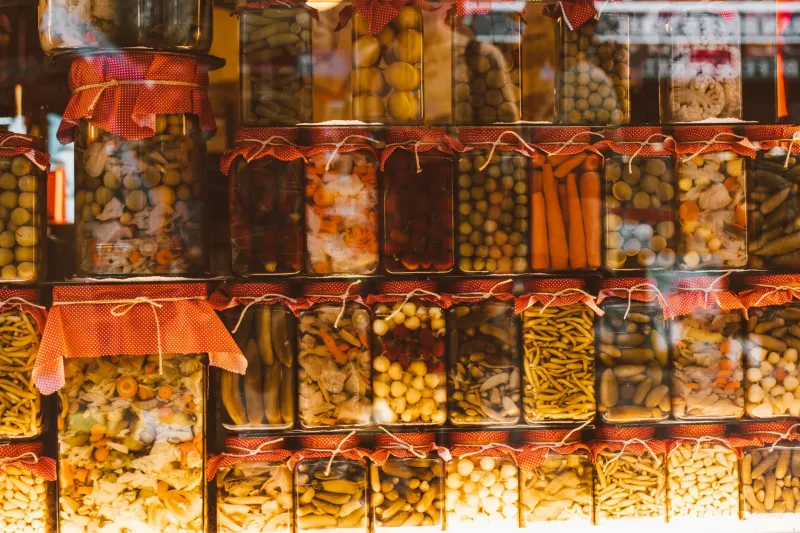
Sterilise your jars properly — washed, hot, and filled while the chutney is hot. Seal and leave for at least three weeks before opening. It will keep for months in a cool, dark cupboard, and it makes a very good partner to cheese, cold meats or a baked potato. If you are short on apples, pear or quince works. If you have a glut of green tomatoes, make two batches and give one away; chutney is excellent currency on an allotment site.
Route two: a warming green tomato curry
This is the route for tomatoes that are too far gone for pickling but still firm enough to cube. Green tomatoes bring a sour, savoury note that works in the same way as tamarind or lemon in a curry. You do not need a specialist recipe; you need a base and a little confidence.
Fry a chopped onion in oil until soft, then add grated ginger, garlic, cumin seeds, ground coriander, turmeric and a little chilli. Add cubed green tomatoes — about 600g — and let them soften and collapse slightly. Tip in a tin of coconut milk and a handful of cooked chickpeas or leftover roasted squash. Simmer for 20 minutes, taste, and adjust with salt and a squeeze of lemon if needed. The tomatoes should keep a little bite but lose their raw edge. Serve with rice or flatbreads.
This curry freezes well in portions, which makes it a useful fallback for the weeks when the plot is muddy and the fridge is empty. It is also forgiving: a tired carrot, a lone potato, a handful of spinach all disappear into it happily.
Route three: quick crisp pickles for the fridge
For the firmest, smallest green tomatoes, a quick pickle is the fastest win. Slice 500g green tomatoes thinly — a mandoline is useful, but a sharp knife and a little patience are fine. Put them in a bowl, sprinkle with a tablespoon of salt, toss and leave for 30 minutes. Drain off the water that comes out and pat the slices dry.
Warm 200ml white wine vinegar or cider vinegar with 2 tablespoons sugar, a teaspoon of mustard seeds, a few peppercorns and a bay leaf until the sugar dissolves. Pour over the tomatoes, cool, then pack into a clean jar and refrigerate. They are ready in a couple of hours and will keep for a fortnight in the fridge. Use them in cheese sandwiches, on burgers, alongside dal, or chopped into a potato salad. They are sharp, crunchy and exactly the sort of thing that makes a November lunch feel less beige.
Waste not, and do not overdo the green
Green tomatoes contain solanine, as do potato leaves and unripe fruit, so use them cooked or properly pickled, and avoid eating large quantities raw. Stick to firm, sound fruit and discard anything mouldy. If you are unsure, cook them.
A final word on oddments: green tomatoes pair well with windfall apples, the last runner beans, a lonely leek and the end of a bag of sultanas. Chutney is the obvious home for all of them. Curry is the Tuesday-night home. Pickles are the fridge-door home. Between the three, a green tomato glut stops being a problem and starts being the beginning of several very good suppers.
And if the frost still beats you to the last truss? Pull the plants, hang them upside down in a cool shed, and pick off the fruit as it ripens. It is an old trick, but it works. The plot-to-plate season does not end at the first frost; it just changes shape.