The Plot-to-Pudding Ritual: Stir-Up Sunday With Your Own Apples, Carrots and Hedgerow Notes
Stir-Up Sunday is one of those kitchen traditions that sounds faintly forbidding until you actually do it. Then you realise it is mostly weighing, chopping, stirring and waiting — which is to say, it is a very good allotment-adjacent afternoon. This year it falls on 22 November 2026, the Sunday before Advent, and the old idea is simple: everyone in the household gives the pudding a stir and makes a wish. The pudding then steams, cools, gets wrapped and tucked away until Christmas Day.
A very short history of the Sunday stir
The custom grew out of the Book of Common Prayer collect for the last Sunday before Advent, which begins “Stir up, we beseech thee, O Lord…” Generations of cooks took the hint literally. Christmas puddings need time to mature, so late November became the practical moment to make them. The wish-stirring, the coins, the lucky charms — all of that is later folklore layered on top of a genuinely useful bit of kitchen scheduling.
That is the bit worth keeping. Stir-Up Sunday is not really about perfection. It is about giving a rich, fruity pudding enough time to settle before the big day.
What the plot can honestly provide
A Christmas pudding is not a vegetable dish with a festive hat on, so let’s be clear-eyed about this. You are not going to grow the dried fruit in a Yorkshire allotment. But you can bring more than a token carrot.
Homegrown heroes:
- Apples. A grated eating apple or two adds freshness and a little acidity. Sharper cookers work well if you balance them with sugar. Windfalls are fine, as long as you cut out the bruised bits.
- Carrots. Grated carrot is traditional in many puddings and brings sweetness and moisture. One medium carrot is plenty; you do not want the pudding to taste like a cake.
- Crab apples or quince. If you have them, a spoonful of crab-apple jelly or a little grated quince adds a tart, aromatic edge. Use them as a supporting act, not the main event.
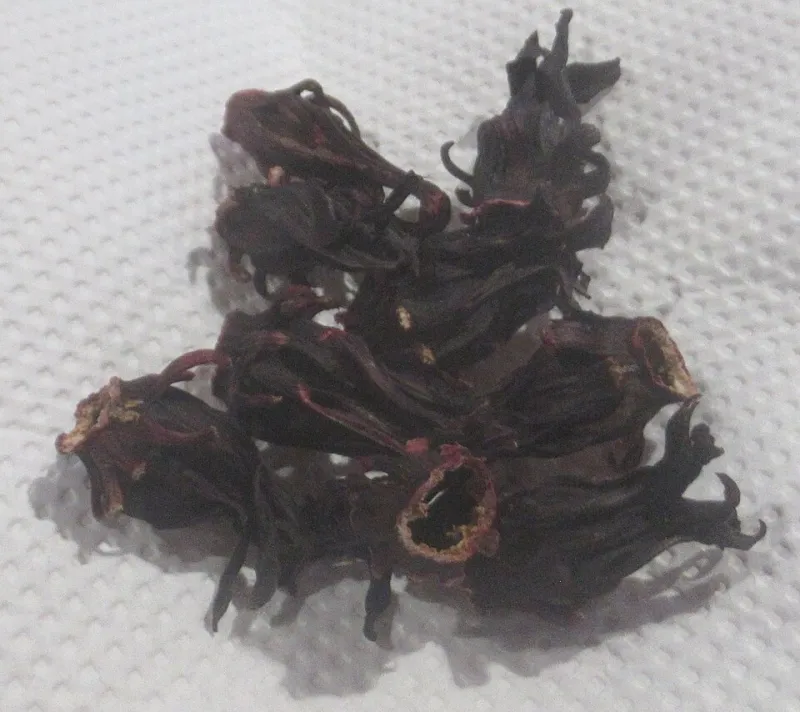
- Hedgerow bits. A tablespoon of rosehip syrup or bramble jelly can bring a bright, fruity note. Avoid anything bitter or seedy. This is not the place to tip in a handful of sloes and hope for the best.
- Bay leaves. Not in the pudding itself, but a couple in the steaming water scent the kitchen pleasantly. It is a small thing, and a nice one.
Honest shop-bought essentials: dried fruit, suet or a vegetarian alternative, sugar, flour, breadcrumbs, spices, citrus zest, eggs and a little alcohol or apple juice. These are the backbone. Trying to home-produce them would be a different article and, frankly, a different life.
The plot-to-pudding recipe
This makes two 1kg puddings — one for Christmas, one to keep or give away. It is a robust, forgiving recipe rather than a delicate one.
Ingredients
- 500g raisins
- 250g currants
- 250g sultanas
- 100g chopped mixed peel
- 150g shredded suet or vegetarian suet
- 150g fresh breadcrumbs
- 150g dark muscovado sugar
- 100g self-raising flour
- 1 tsp ground mixed spice
- ½ tsp ground cinnamon
- ¼ tsp grated nutmeg
- Zest of 1 lemon and 1 orange
- 2 tbsp black treacle
- 4 large eggs, beaten
- 150g homegrown apple, peeled and coarsely grated
- 100g homegrown carrot, peeled and coarsely grated
- 100ml stout, ale or apple juice
- 2 tbsp brandy or rum, plus extra for feeding if you like
Method
- The night before, put the dried fruit, mixed peel and alcohol or juice in a large bowl. Cover and leave to steep. This plumps the fruit and makes a softer, more even pudding.
- The next day, butter two 1kg pudding basins. Cut a circle of baking paper for the base of each and a pleated circle for the top.
- In a very large bowl, mix the suet, breadcrumbs, sugar, flour, spices, citrus zest, treacle, eggs, grated apple and carrot. Add the steeped fruit and any liquid left in the bowl. Stir well. This is the moment for the traditional wish-stir — give everyone a go, but keep it brief so the mixture stays light.
- Divide between the basins. Cover with the pleated paper and then a layer of foil, tied securely with string. Make a handle with the string so you can lift the basins easily.
- Put each basin in a large pan with a folded tea towel or trivet underneath. Pour in boiling water to come about halfway up the sides. Cover the pan and steam gently for 6 hours, topping up with boiling water as needed. Do not let the pan boil dry.
- Lift out the puddings and leave to cool completely in their basins. Once cold, remove the paper and foil, wrap tightly in fresh baking paper and foil, and store in a cool, dark, dry place. They will keep for several weeks.
Steaming, storing and the reheat
On Christmas Day, steam the pudding again for about 2 hours. If you want to flame it, warm a couple of tablespoons of brandy or rum, pour it over the pudding and light it at the table. A bay leaf in the steaming water is a nice touch, but it is optional.
If you have made the pudding well ahead, you can “feed” it with a spoonful of brandy every week or so, but it is not essential. What matters is proper cooling and cool, dry storage. If your kitchen is warm and steamy, find a cooler cupboard. A pudding that has been stored badly is not worth the risk.
Why homegrown is worth the fuss
Here is the honest tasting note. A good Christmas pudding is dark, sticky and deeply fruity. The homegrown apple and carrot do not shout “allotment” from the plate. What they do is soften the spice, add a little fresh acidity and keep the crumb from tasting like a dried-fruit brick. The pudding tastes rounder. The hedgerow jelly or rosehip syrup, if you use it, gives a faint tartness that stops the whole thing becoming one long note of sugar.
That is the quiet pleasure of this ritual. You are not trying to grow every ingredient. You are bringing what your plot does best — apples, carrots, a little hedgerow flavour — to a pudding that has been made in British kitchens for generations. Stir it, wish, steam it, and let it wait. By Christmas, the fuss will have been worth it.