Corner-Plot Legacy: Planting a Bare-Root Apple for Future Puddings

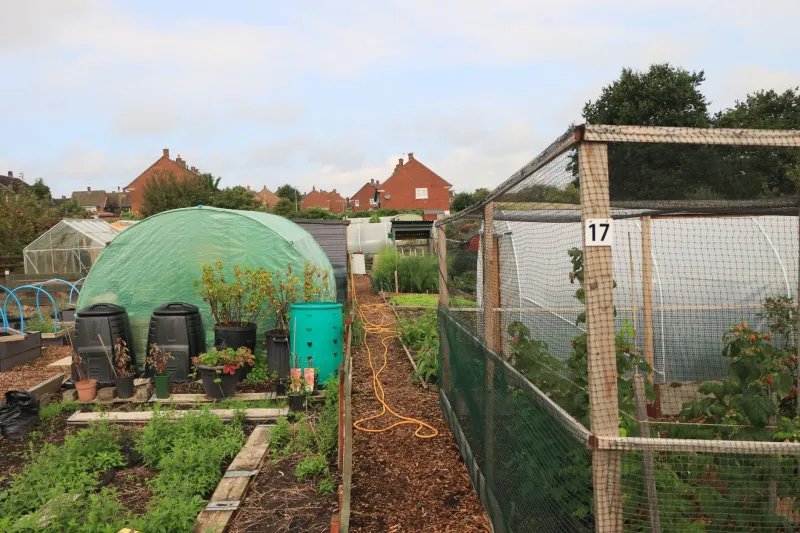
Photo: bare root apple tree planting in garden UK autumn, via as2.ftcdn.net
A small garden does not have to mean a small harvest. It can mean one thoughtfully chosen apple tree, planted in a corner this month, with roots given time to settle before spring. Bare-root apples are arriving at nurseries now, and the planting window stays open while the ground is workable. This is less about instant gratification and more about a quiet kitchen investment: a tree that should, in time, earn its bed many times over.
Start with the space, not the variety
It is easy to fall for a catalogue photograph and then discover the tree wants more room than the plot can give. Begin with measurements instead. A compact apple needs sun for a good part of the day, soil that drains rather than puddles, and enough clearance from fences, sheds and paths to allow picking without a gymnastics routine.
Rootstock matters more than most new growers expect. For a modest UK garden, M27 is the smallest practical choice, though it needs permanent staking and good treatment. M9 is a useful dwarfing rootstock for a small plot or a large container, usually settling around two and a half to three and a half metres. M26 is a little more vigorous and suits an allotment or a garden with a bit more elbow room. A vigorous rootstock in a tight corner is a future argument with a pruning saw.
Also check pollination. Many apples need a compatible partner flowering at roughly the same time, so two small trees or a nearby neighbour's tree may be part of the plan. If space truly allows only one, look for a self-fertile variety or a family tree with more than one variety grafted onto it. Ask the nursery plainly; this is not a silly question.
Varieties that earn kitchen space
For a small garden, flavour and usefulness matter more than supermarket polish. Discovery is an early dessert apple with a bright, sharp edge. Sunset is a reliable old garden variety, good for eating fresh and for cooking when the crop is generous. Egremont Russet brings that nutty, dense flesh that makes a plain apple feel like an occasion. Fiesta and Red Falstaff are reasonable garden performers with useful disease resistance.
If puddings and chutney are the point, consider a dual-purpose apple such as James Grieve or Ashmead's Kernel. Bramley's Seedling is the great British cooking apple, but it is not a tiny-tree choice for every plot; give it room or choose a more compact culinary option such as Grenadier where space is tight.
The best tree is the one you will actually pick from, prune and use. A handful of well-chosen dessert apples and one useful cooker, or a dual-purpose tree in a small garden, will do more for the kitchen than a long list of varieties with nowhere to go.
The planting day
Bare-root trees are sold without soil around the roots, which is why they travel well and settle in during dormancy. When the tree arrives, keep the roots damp and plant it reasonably promptly. If there is a delay, heel it into a temporary trench or keep it cool and covered, but do not let the roots dry out.
Dig a hole that is wide rather than deep, roughly three times the spread of the roots. Break up the sides and base of the hole if the soil is compacted. Place a sturdy stake before the tree goes in, so the roots are not damaged afterwards. Set the tree so the graft union sits comfortably above soil level; burying it is a classic mistake. Spread the roots, backfill with the excavated soil, firm gently and water well.
Finish with a mulch ring that keeps moisture in and weeds down, but leave a clear gap around the trunk. A rabbit guard is sensible in many gardens, and a proper tree tie should hold the trunk without strangling it. Label the variety and rootstock. In two years, when the label has faded, you will be glad you did.
Pruning, staking and the first winters
At planting, do very little. Remove damaged or crossing branches and think about a clear central framework, but resist the urge to sculpt. The tree has roots to establish first. In later winters, prune to keep an open, airy shape and to encourage good fruiting spurs rather than a thicket of crowded growth.
Keep the stake in place for the first few years, especially on dwarfing rootstocks. Water during dry spells in the first two summers, even though the tree is dormant when planted. A young apple is not yet drought-proof. In frost-prone gardens, choose the sunniest, least frosty spot you can, and be ready to protect early blossom in future springs if a cold snap arrives.
The first flowers may appear before the tree is ready to carry fruit. It is tempting to leave everything, but a young tree can be allowed to put energy into roots and branches. A small crop in the second or third year is a bonus, not a target. A proper kitchen harvest is more likely by the end of the decade.
A kitchen plan before the fruit arrives
Planting a tree is also a promise to cook. Decide now what the future harvest is for: a tray of baked apples with blackberries, a Sunday crumble, a batch of chutney from windfalls, or jars of apple sauce for pork. Note the variety and its season so you know whether it is an early eater or a late keeper.
A first real crop might be a few handfuls. Use them well. Halve and bake with butter and brown sugar. Stew with a little lemon peel for porridge. Save the cleanest fruit for eating and turn the bruised ones into chutney with onions, vinegar, spices and a little patience. The tree will take a few years to settle, but the kitchen habits can start much sooner.
The corner-tree checklist
- Choose a compact rootstock: M27, M9 or M26 for most small plots.
- Check pollination and flowering group before buying.
- Plant bare-root from now until early spring, while soil is workable.
- Keep the graft union above soil level and stake properly.
- Mulch, water and guard against rabbits.
- Prune lightly at first, then build an open shape in winter.
A bare-root apple is not a quick crop, but it is one of the better long-term things a small garden can do. Plant it well this month, keep the kettle on, and let the corner earn its place at the table.