Knobbly, Windproof and Worth the Fuss: Lifting Jerusalem Artichokes for a November Bowl

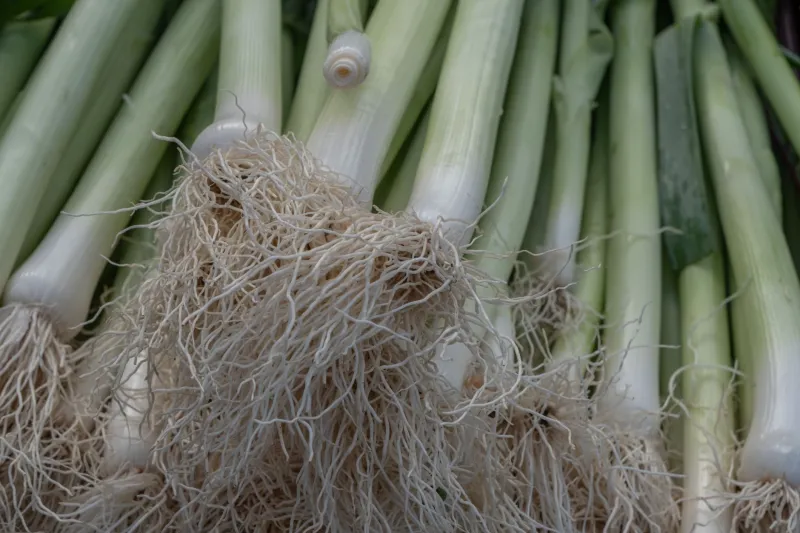
Photo: Jerusalem artichokes freshly dug on allotment soil, knobbly tubers and creamy soup bowl, UK winter harvest, via media.timeout.com
Jerusalem artichokes are the crop that arrives with a warning label. Mention them at the allotment gate and someone will tell you about the wind, someone else will mention the spreading, and a third person will make a face that suggests a difficult bus journey. Fair enough. But the knobbly tubers are also sweet, nutty and genuinely useful in November, when the plot is thinning out and the kitchen wants something richer than another bowl of roots.
By mid-November, the tops have usually been blackened by frost and the tubers are ready to lift. That is the moment to stop treating Jerusalem artichokes as a novelty and start treating them as supper.
Why the wind is not the real enemy
They are tall, sunflower relatives, and on an exposed plot they will test your staking. A windy site can flatten a row in one gust, so plant them at the back of a bed, against a hedge or fence if you can, and give each clump a sturdy stake or a tripod of canes. Earth up the stems a little as they grow and cut the tops down to around 15cm once the foliage has died back. That stops the wind from wrenching the crowns about and gives you a clear marker for where the tubers sit.
They are not fussy about soil, but they crop better with a decent bucket or two of compost worked in before planting. They also tolerate light shade, though full sun gives stronger growth. The main thing is to give them room and support, because a neglected Jerusalem artichoke patch looks less like a vegetable bed and more like a collapsed scaffolding tower by October.
Keeping the knobbly tribe in check
This is the part that matters. Jerusalem artichokes are perennial, and every tiny tuber left in the ground can become next year’s plant. If you simply plant them in open ground and forget them, they will wander. They may not march in a straight line, but they will certainly turn up where you did not plan for them.
Use a dedicated bed, a raised bed with a sturdy root barrier, or a large buried container. Plant tubers in spring, around 10–15cm deep and 30–40cm apart. Water them in dry spells and mulch to keep moisture in. When the stems die back, do not leave the whole crop in the ground unless you actively want a permanent patch. Lift most of the tubers, keep a few small ones for replanting in a marked spot, and dig over the bed to remove any stray knobs. They can sprout from surprisingly small pieces.
For a windy plot, the permanent-patch approach has one advantage: the tall stems make a decent summer windbreak. But it only works if you choose the position deliberately and accept that the crop is staying put.
Lifting after the first proper frost
The old advice is to wait until the foliage blackens. Cold also improves the eating quality, because the tubers convert some of their inulin to sugars. Lift with a garden fork, starting a good 30cm away from the stem so you do not spear the crop. Work around the clump and lever gently. The tubers are lumpy and fragile, and they will hide in the soil like pale, muddy knuckles.
Do not bother peeling them. Scrub them well under running water, trimming round the worst crevices. They discolour quickly once cut, so keep them in a bowl of cold water with a squeeze of lemon if you are preparing them ahead. Use them within a few days, or store them in damp sand in a cool shed. They are not long keepers.
The reputation is mostly about method
Jerusalem artichokes contain inulin, a fibre that some people find difficult to digest. That is where the windy reputation comes from. But it is not a reason to avoid them altogether. Small portions, slow cooking and pairing them with something creamy or starchy usually help. A big plate of raw, thinly sliced artichokes is not the gentlest introduction.
Soup is the friendly route. Cooking them until completely tender, then blending with a little potato for body, gives a smooth, velvety bowl with a flavour somewhere between globe artichoke, hazelnut and parsnip. A crisp garnish of thinly sliced tubers roasted until golden adds texture and makes the whole thing feel like a proper November supper rather than a medicinal bowl of purée.
Velvety Jerusalem artichoke soup with crisp chips
Serves 4
Ingredients
- 700g Jerusalem artichokes, scrubbed and roughly chopped
- 1 medium potato, peeled and diced
- 1 onion, chopped
- 1 leek, sliced
- 2 garlic cloves, sliced
- 30g butter
- 1 tbsp olive oil
- 800ml vegetable stock
- 150ml double cream or whole milk
- Squeeze of lemon juice
- Salt and black pepper
- A few thyme sprigs and 1 bay leaf
For the crisp garnish:
- 2–3 small Jerusalem artichokes, scrubbed
- 2 tbsp olive oil
- Flaky salt
- A little smoked paprika, optional
Method
-
For the garnish, slice the small artichokes as thinly as you can, using a mandoline if you have one. Toss with olive oil and a pinch of salt. Spread on a baking tray and roast at 200°C fan/220°C conventional for 15–20 minutes, turning once, until crisp and golden at the edges. Drain on kitchen paper and dust with a little smoked paprika if you like.
-
In a large pan, melt the butter with the olive oil. Add the onion and leek and cook gently for 8–10 minutes until soft but not coloured. Add the garlic and cook for another minute.
-
Tip in the chopped artichokes and potato. Add the thyme, bay leaf and stock. Bring to a simmer, cover and cook for 20–25 minutes, until the artichokes and potato are completely tender.
-
Remove the bay leaf and thyme stalks. Blend until very smooth, then stir in the cream or milk. Warm through gently, season with salt, pepper and a squeeze of lemon juice. If it feels thick, loosen with a splash more stock.
-
Ladle into bowls, top with the crisp artichoke chips and finish with a little black pepper. A drizzle of hazelnut oil or a scattering of toasted hazelnuts is a good extra if you have them.
The result is a soup that tastes of the plot in the best way: earthy but sweet, rich but not heavy, and entirely worth the knobbly washing-up. The wind may still be rattling the shed roof, but the bowl in front of you will be calm and velvet-smooth.