A Root With a Reputation Problem: Growing Salsify for the Winter Table

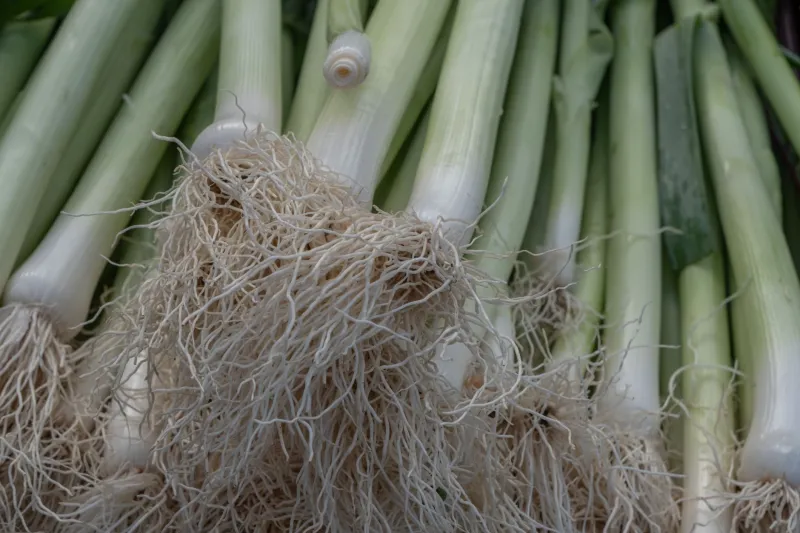
Photo: fresh salsify roots harvested garden soil winter vegetables, via img.freepik.com
November is the month when the plot starts to look like a job half-finished. The bean poles are down, the beds are mulched, and the seed catalogues are already trying to sell us next spring. Somewhere in that bare patch, though, there is a root that deserves more attention than it gets. Salsify is unfashionable, slow, and slightly awkward to peel. It is also sweet, nutty, and ready to dig just when the kitchen needs something fresh from outside.
The oyster problem
Salsify has been saddled with a nickname that does it no favours. Call a vegetable 'oyster plant' and every eater arrives at the table with a fixed idea in their head, usually followed by disappointment. Salsify does not taste like oysters. It has a faint briny whisper, perhaps, and a soft texture when cooked through, but the main notes are sweet parsnip, artichoke heart, and a gentle earthiness. That is a perfectly good set of flavours. It just is not seafood.
So let us give it a fair hearing on its own terms. As a winter root, it earns its space because it is hardy, it stores well in the ground, and it gives a small plot something to harvest in the lean weeks. It is not a glamorous crop. It is a useful one.
Sowing a long, quiet row
Salsify is sown direct, usually from mid-April to late May once the soil has warmed a little. It hates being moved. The taproot forks at the first insult, and a forked root is a nuisance to peel and a misery to roast. Prepare a deep bed with well-rotted compost and make sure there are no stones or lumps of hard subsoil in the top 30cm. Fresh manure is not helpful; too much nitrogen gives you leafy tops and hairy, branched roots.
Germination can be slow and patchy. Mark the row, keep the soil moist, and do not panic when nothing appears for a fortnight. Thin the seedlings to about 10–15cm apart when they are large enough to handle. If you are sowing in a narrow allotment bed, a single row is plenty. Salsify takes the whole season, but it uses vertical space rather than sprawling across the plot. That makes it a good citizen in a small garden.
Lifting without drama
Roots are ready from late October, but you do not have to lift the whole row at once. In most UK winters, salsify can stay in the ground and be dug as needed. A mulch of straw or bracken helps protect the shoulders of the roots and keeps the soil workable. Unlike parsnips, salsify does not need a hard frost to sweeten. It is already sweet enough by the time the leaves die back.
Lift with a garden fork placed well away from the root, then ease the soil back. Do not lever against the root itself. If the ground is heavy and wet, lift a few at a time and store them in damp sand in a cool shed or garage. Leave one or two plants to flower if you want seed for next year, but be warned: once salsify runs to flower, the root turns woody and the plot gains a tall, thistle-like plant that will happily seed itself about.
Small plot, tall root
Salsify suits a small allotment because it is not demanding. It does not need a prime, sunny bed, though it prefers an open site. It does not need rich feeding. It does not sprawl. A row in a corner, sown after an early crop of lettuce or radish, will quietly do its thing while you get on with more exciting vegetables. The main risk is neglect: if the bed dries out completely in early summer, the roots can turn tough and woody. A mulch and an occasional soak in dry spells are enough.
It is also a good crop for sharing. A bag of scrubbed roots is a welcome swap on the allotment gate in January, when everyone else is down to the last leek and a jar of chutney. Grow a few extra and you will find takers.
Three honest ways to cook it
Salsify discolours quickly once peeled, so keep the prepared roots in a bowl of water with a squeeze of lemon. The sap is sticky, so oil your knife and wear gloves if your hands are sensitive. Scrub rather than peel if the skin is thin; a light scrape with a knife is often enough.
Roasted, with a little smoke
Cut scrubbed roots into batons, toss with rapeseed oil, salt, and a pinch of smoked paprika, then roast at 200°C for 25–30 minutes until the edges caramelise. Finish with lemon zest and chopped parsley. This is the simplest way to taste what salsify actually is: sweet, slightly earthy, with a texture somewhere between parsnip and artichoke heart. It will not taste of oysters. It will taste like a good winter root.
Creamed, with bay and nutmeg
Slice the roots and simmer them gently in milk with a bay leaf and a crushed garlic clove until tender. Drain, reserving a little of the milk, then mash or purée with butter, salt, pepper, and a grating of nutmeg. For a more substantial dish, layer the slices in a shallow ovenproof dish with a simple béchamel, scatter with breadcrumbs, and bake until bubbling. This is nursery food in the best sense: soft, warm, and comforting against a cold evening.
Crisp ribbons, for the top of the plate
Use a vegetable peeler to shave long ribbons from scrubbed roots. Soak them in iced water for ten minutes, dry them thoroughly, then fry in hot oil at about 170°C until pale gold. Drain on kitchen paper and salt immediately. They make a delicate, slightly sweet crisp to scatter over a salad or a bowl of soup. Do not crowd the pan, and do not expect them to taste of the sea. They taste of salsify, which is quite enough.
A fair hearing
Salsify is never going to win a beauty contest. It is a pale, knobbly, muddy root that looks like a stick with ideas above its station. But on a dark Tuesday in January, when the fridge is bare and the plot is sodden, a root you can dig, scrub, and roast in half an hour is worth more than fashion. Grow a row this season. Cook it without the oyster baggage. Share the extra with a neighbour. It may not become your favourite vegetable, but it deserves a place at the winter table.