The Muddy Standers: Lifting Late Leeks for a Tuesday-Night Pie
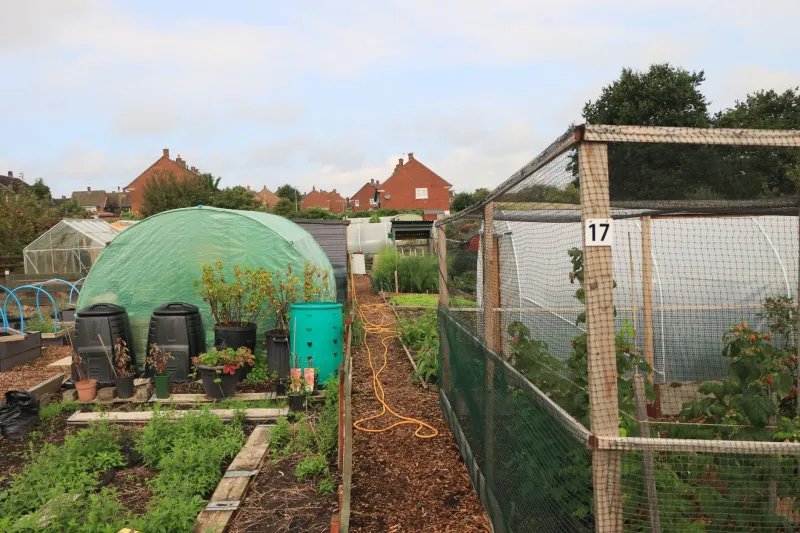
By mid-November the plot has a stripped-back look. Bean wigwams are bare, the courgette bed is a memory, and the last of the tomatoes are either ripening on a windowsill or heading for the pan. What is still standing, mud-splattered and stubbornly upright, is the leek row. They are not showbench specimens. They are the sort of crop that quietly keeps supper moving, and this is the month to make the most of them.
Why the late row earns its space
Leeks are one of the most reliable things a UK grower can have in the ground as the weather turns. They do not need cosseting, they do not sulk in a wet autumn, and they will stand through frost without turning to mush. In fact, a few cold nights often improve them: the flavour deepens and sweetens, and they move from a background ingredient to something worth building a meal around.
A modest row planted earlier in the year can be lifted from October right through to late winter, which makes leeks a sort of standing larder. You do not have to harvest the whole row at once. Lift what you need, leave the rest, and let the plot do the storing for you. That is a useful thing in a month when the fridge is full of odds and ends and the evenings are dark before the pan is warm.
Lifting a leek without turning the bed into soup
A dry-ish day is easier, but a wet November plot is often what we have. If the ground is frozen solid, wait until midday when the top inch has softened. Do not pull a leek straight up by the leaves. You will either snap it or bring half the bed with it.
Push a garden fork into the soil about 15cm away from the stem, lever gently, and ease the leek free by its base. A slight twist helps if the roots are holding on. Shake off the worst of the soil, then lay the leeks in a trug rather than dragging them through the mud. If you are lifting several, work backwards along the row so you are not treading on the ones still in the ground.
Cleaning: the slit-and-soak method
Leeks are famous for hiding grit between their layers, and there is nothing worse than a crunchy pie. The answer is not frantic scrubbing. It is a slit and a soak.
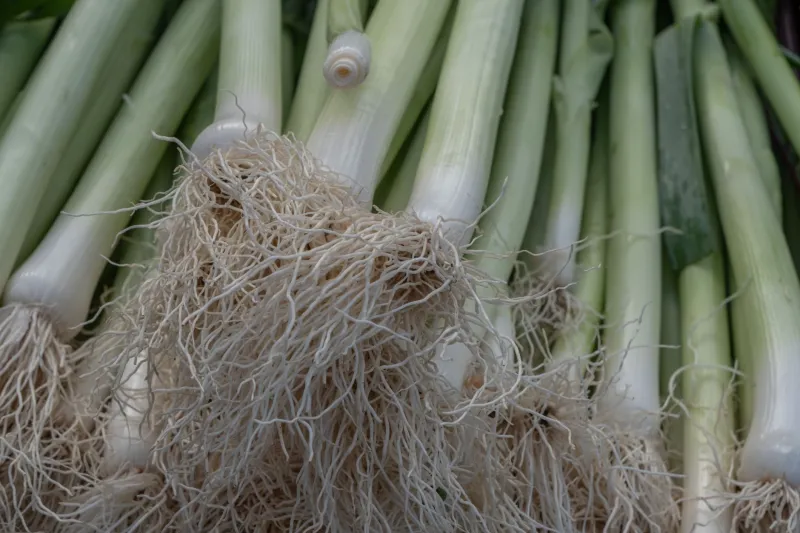
Trim the roots and the very darkest, leathery tips, but keep the green tops for now. Slice the leek lengthwise from just above the root end, stopping short of cutting it in half completely. Fan out the layers under a running tap, then leave the leek to soak in a bowl of cold water for five minutes. The grit sinks to the bottom. Lift the leek out rather than tipping the bowl over it, and pat dry.
The green tops are not rubbish
It is tempting to bin the tough dark green leaves, but they are one of the best stock ingredients of the season. Wash them well, add them to a pot with onion skins, carrot peelings, a bay leaf and a few peppercorns, and simmer for half an hour. Strain, cool and freeze in 500ml portions. That stock gives a winter risotto or a gravy a savoury depth that a cube never quite manages.
The paler and mid-green parts are the ones for the pan. Slice them into rings, wash again if needed, and cook them slowly in butter until soft and sweet. Leeks need more time than onions and less heat than you think. Rushing them means they squeak rather than melt.
Storing the surplus without losing flavour
If you have lifted more than you can use in a few days, leeks keep well in the fridge. Wrap them loosely in a damp tea towel and put them in the salad drawer. They will hold for a week or more, though they lose a little bite over time.
For longer storage, slice and wash the leeks, dry them well, then freeze them raw. Spread the slices on a tray first so they do not clump, then bag them once firm. They will soften quickly in a pan and are perfect for soups, pies and stews. The green tops can go straight into the stock pot and then into the freezer as stock. A well-labelled bag of home-made leek stock is a small win on a dark evening.
A Tuesday-night bacon and leek pie
This is not a company pie. It is a Tuesday pie: quick enough for after work, rich enough to feel like a proper supper, and made from things you are likely to have. Ready-rolled puff pastry is entirely acceptable. So is a mashed potato lid if that is what the fridge demands.
You will need: 2 tbsp butter or oil, 150g smoked streaky bacon chopped, 3 medium leeks sliced and washed, 1 tbsp plain flour, 200ml chicken or vegetable stock, 100ml crème fraîche or double cream, 1 tsp Dijon mustard, a grating of nutmeg, salt and pepper, 320g puff pastry, and a beaten egg.
Heat the oven to 200C/180C fan/gas 6. Fry the bacon in a wide pan until crisp, then lift it out. Add the butter and the leeks to the pan and cook gently for 10 to 12 minutes until soft and sweet. Stir in the flour and cook for a minute, then add the stock gradually, stirring until it thickens. Add the cream, mustard, nutmeg and bacon, and season carefully. Let the filling cool a little.
Spoon it into a pie dish, top with pastry, brush with egg and cut a couple of slits. Bake for 25 to 30 minutes until golden and bubbling at the edges. Let it rest for five minutes before serving. Peas or a sharp green salad are all it needs.
A freezer plan for a glut
If the row gives you more than one pie's worth, make the filling in double batches and freeze it before the pastry goes on. It will keep for three months and makes a future Tuesday much easier. Freeze sliced leeks raw for soups, and turn the toughest tops into stock. Label everything with the date, because a black bag of frozen green slices is impossible to identify in January.
A row of leeks is not glamorous, but it is dependable. It stands through frost, fills the kitchen with a sweet, oniony smell, and turns a few odds and ends into supper. That is the sort of crop worth growing, cooking and sharing.