The Last Green Pods Before the Blackening: A Nasturtium Pickle for Winter Plates
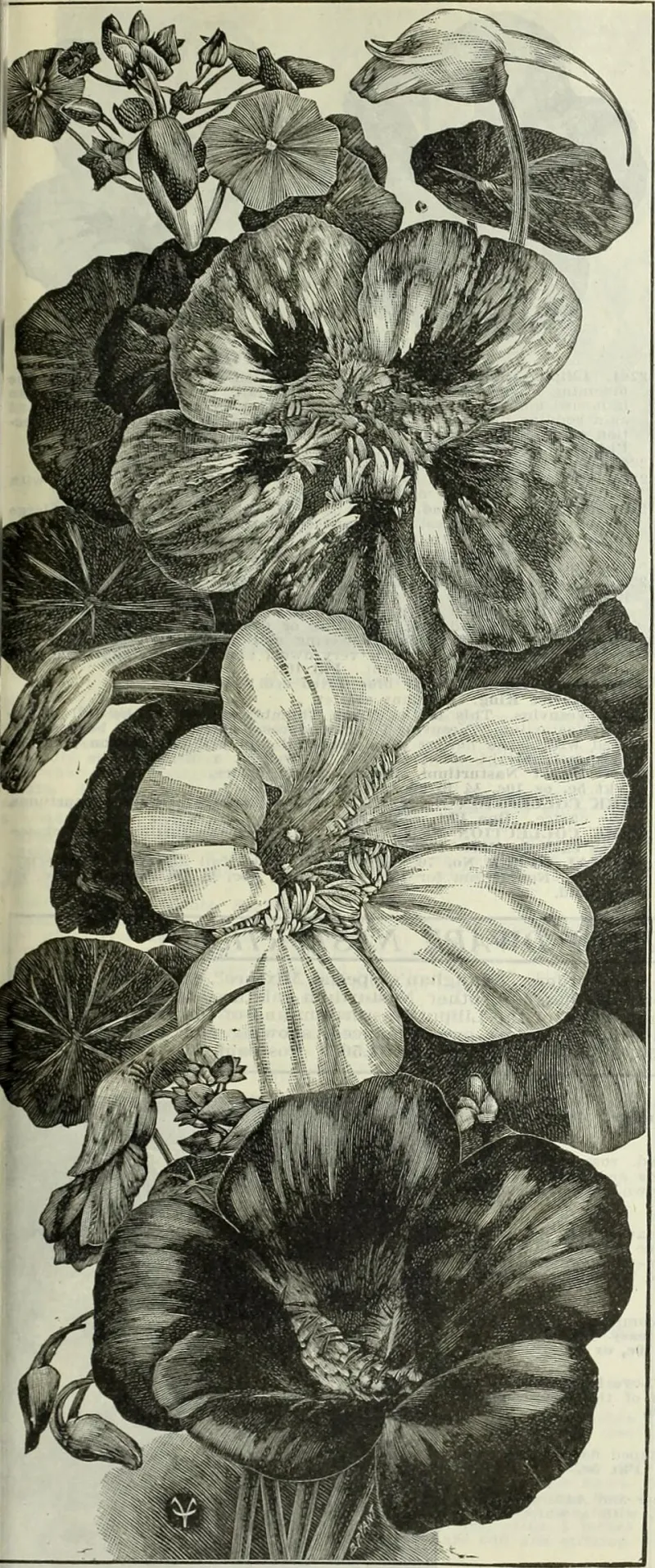
Photo: Vaughan's Seed Company; Henry G. Gilbert Nursery and Seed Trade Catalog Collection, No restrictions, via Wikimedia Commons
By the second week of November 2026, most nasturtium plants have stopped pretending. The leaves are ragged, the flowers have gone over, and the seed pods hang under the stems like small green beads. That is the moment to act — especially if the forecast has that first proper frost in it.
Nasturtium seeds are not true capers. They will not fool a Sicilian nonna. But pickled while they are still plump and green, they give a sharp, mustardy crunch that earns its place on a winter cheese board and in a January potato salad. If you grow nasturtiums for the flowers, this is the second harvest hiding under the leaves.
Why the pods are worth picking
Nasturtiums are generous plants. They scramble over a bed, fill a gap by the path, and keep flowering until the cold finally stops them. Most gardeners treat them as annuals and pull them once the foliage collapses. That is understandable, but it also wastes the best bit for the kitchen.
The green seed pods have a clean, peppery heat that sits somewhere between rocket, mustard and a very fresh radish. Pickled in a simple vinegar brine, they keep that bite but gain a rounded sharpness. They are not a like-for-like caper replacement — they are brighter and more leafy — but they do the same job in a useful, homegrown way. That is the spirit of this site: grow it, cook it, share it.
Frost watch, not frost panic
UK frost timing is a moveable feast. In many gardens, the first hard frost arrives somewhere between late October and early December. Sheltered coastal plots and mild city gardens can hold on longer. Watch the local forecast rather than the calendar. A hard frost is the sort that leaves the nasturtium leaves blackened by morning, and pods left on a frosted plant quickly go soft and slimy.
Pick before that happens. Go out with a colander, lift the trailing stems and look underneath. The pods often hide close to the base of the plant and under the leaves. Twist them off cleanly rather than pulling, so you do not drag the whole stem about.
Choose pods that are plump, bright green and firm to the touch. Small ones are fine, though they shrink in the jar. Leave anything yellowing, brown-spotted, hollow or soft. If a pod squashes easily between finger and thumb, it is not pickle material. Rinse the harvest well and use it within a day, or keep it in the fridge until you are ready.
A simple pickle for two small jars
This is a straightforward fridge pickle, not a long-term preserving project. Sterilise the jars properly, keep the pickle in the fridge, and use it within three months. The flavour is best after a fortnight.
You will need:
- 150 g green nasturtium seed pods
- 250 ml white wine vinegar or cider vinegar
- 250 ml water
- 2 tsp fine sea salt
- 1 tsp caster sugar
- 1 tsp black peppercorns
- 1 tsp yellow mustard seeds
- 1 bay leaf
- 2 small garlic cloves, halved, optional
Wash and sterilise two 250 ml jars and their lids. Rinse the pods, trim any little stems and pack them into the jars with the peppercorns, mustard seeds, bay leaf and garlic, if using.
Put the vinegar, water, salt and sugar in a small pan and heat gently until the salt and sugar have dissolved. Bring it just to the edge of a simmer, then pour the hot brine over the pods, leaving about a centimetre of headspace. Tap the jars gently to release trapped air, seal, and leave to cool.
Label the jars and put them in the fridge. Wait at least two weeks before opening. Keep the pods under the brine as you use them, and discard the jar if it smells off or looks cloudy in a way that worries you.
Where the jars earn their keep
A small bowl of these pods is very good next to a wedge of mature cheddar, a blue cheese or a soft goat cheese. They cut through the richness and add a green, peppery lift. Put them on the table with a few crackers and let people help themselves.
Come January, chop a spoonful into a potato salad made with waxy potatoes, a little mayonnaise loosened with yogurt, and plenty of parsley. The pods give the sort of sharp little surprise that makes a plain supper feel considered. They also work in tartare sauce for fish, folded through a tuna sandwich, or scattered over devilled eggs. A splash of the brine makes a useful dressing for winter leaves.
Use them where you want a bright, green pepperiness rather than where you need the exact saline hit of a true caper. They are their own thing, and better for it.
Leave a few for next year
Before you clear the plants, leave a handful of pods to dry and drop. Nasturtiums are reliable self-seeders in many UK gardens, and a few free plants next spring is a fair return on a packet of seed. Compost the rest of the spent foliage, or add it to the leaf mould heap if it is healthy.
Then take the jars indoors, write the date on the lids, and give one to a neighbour who likes a sharp thing with cheese. The flowerbed may be blackening outside, but there is still a little green crunch on the shelf. That is a decent November trade.