Salt, Time and Oddments: Building a Festive Fermentation Shelf Before the Christmas Rush
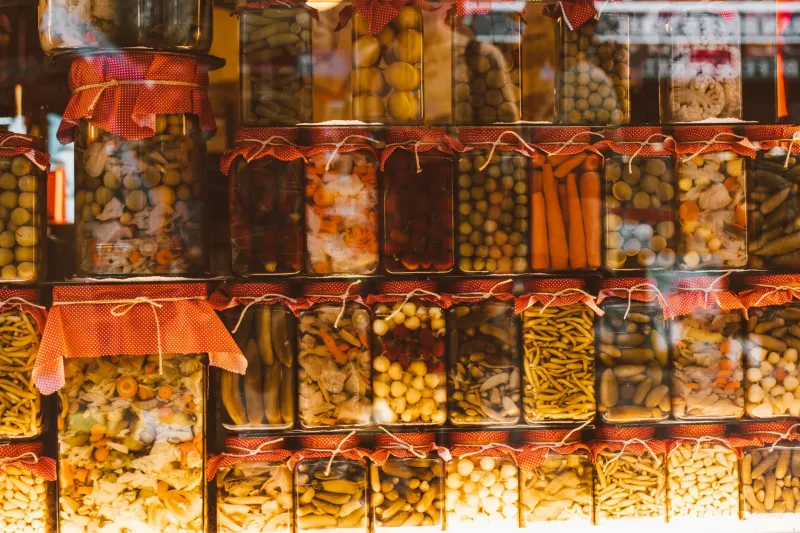
November on the plot rarely delivers a tidy harvest. It delivers handfuls: a few carrots that dodged the slugs, beetroot the size of golf balls, a kohlrabi that went woody faster than expected, windfall apples, and a cabbage with outer leaves that have seen better days. Fermentation is a sensible home for that kind of produce. It does not demand perfection, it stretches small quantities, and it turns a scrappy collection of odds and ends into jars that look genuinely giftable by December.
Why fermentation suits the November larder
Late autumn is a good moment for salt-and-time preserving. The kitchen is cool enough that vegetables ferment steadily rather than racing away, and the festive season gives you a reason to make jars that are more interesting than another chutney. Fermenting also lets you use up small amounts separately — a jar of beetroot here, a crunchy carrot-and-kohlrabi mix there — rather than needing a glut of one thing.
The aim is not to become a small-batch artisan. It is to put three or four reliable jars on a shelf, keep them cool, and have something tangy to open with cheese, cold meats, jacket potatoes or a Boxing Day sandwich.
The kit, and what you can ignore
You do not need a cupboard full of specialist equipment. A digital kitchen scale is the one thing worth buying if you do not already have one, because salt ratios matter. After that: clean glass jars, non-iodised salt, a large bowl, a knife or mandoline, and something to keep the vegetables under the brine. That can be a zip-lock bag filled with brine, a clean glass weight, or a folded outer cabbage leaf tucked under a weight.
Airlocks are useful but not essential. A jar with a loose lid, or a lid opened daily to release gas, will do for beginner batches. Avoid metal lids in direct contact with brine for long periods, as they can corrode; a plastic lid or a layer of cling film under the lid helps. Wash jars hot and soapy, rinse well, and let them dry. You do not need to sterilise jars as you would for jam, but cleanliness matters.
Salt ratios that keep things safe
For shredded vegetable ferments such as kraut, use about 2% salt by weight. That means 20g of salt for 1kg of prepared vegetables. Massage the salt in, leave for 20–30 minutes until liquid draws out, then pack tightly into jars. The vegetables should be submerged in their own brine.
For sliced or chunkier vegetables fermented in brine, use a 3.5% brine: 35g of non-iodised salt dissolved in 1 litre of water. This suits carrots, beetroot and kohlrabi. If you use tap water and it smells strongly of chlorine, let it stand for a while or use filtered water.
Keep the vegetables below the liquid. Ferment at roughly 16–20°C — a cool kitchen or utility room is ideal. Taste after five days, then every day or two. When it is pleasantly sour and still crunchy, move it to the fridge. A white film on the surface is usually kahm yeast and can be skimmed off. Fuzzy mould is different: discard the batch and compost it. Never eat a ferment that smells rotten or looks uncertain.
A realistic timeline from 8 November to Christmas
This is not a project to start on 23 December. From today, you have a comfortable window.
- 8–10 November: gather jars, weigh salt, wash and prep vegetables. Start the first two ferments.
- 11–17 November: keep jars at room temperature. Press vegetables down daily if needed. Start tasting lighter ferments such as grated beetroot after day five.
- 18–24 November: most batches will be tangy enough to chill. Move them to the fridge to slow fermentation. Start a third jar if you have more odds and ends.
- 25 November–5 December: check flavours. Add nothing unless you are confident; opening and poking increases risk. Plan labels and jars.
- 6–15 December: decant into smaller gift jars if you like, label with date and flavour, and keep refrigerated. Ferments are not shelf-stable unless you know what you are doing; tell recipients to keep them cold.
Three beginner ferments from odds and ends
Ruby shred: beetroot and windfall apple
Use small or awkward beetroot — the kind that are fiddly to roast. Peel and grate 500g beetroot with 250g peeled, cored windfall apple. Weigh the mixture and add 2% salt, plus a few caraway seeds if you like. Massage, pack tightly, and ferment for one to two weeks. The apple softens the earthy edge of the beetroot and makes a jar that is excellent with sharp cheese.
Crunch jar: carrot, kohlrabi and garlic
Cut 500g carrots and kohlrabi into batons or thick coins. Pack into a jar with two peeled garlic cloves and a few peppercorns. Cover with 3.5% brine, keeping everything submerged. Ferment for one to two weeks, then refrigerate. This is the jar to open when you want something crisp and sharp alongside a winter stew.
Odds-and-ends kraut
Shred 1kg of cabbage — outer leaves included once any damaged bits are trimmed — with whatever kohlrabi, carrot or beetroot you have spare. Add 2% salt by total weight, massage well, and pack tightly. Ferment for two to three weeks, tasting as you go. It is forgiving, useful, and makes a good gift in a small jar with a handwritten label.
Gifting and storing without overpromising
Small jars look generous and are easier to use than a litre of kraut. Label each one with the date, the salt percentage and the flavour. Keep gifts refrigerated until they are handed over, and say so plainly. A pretty jar is lovely; a jar that has been sitting in a warm car for two days is not.
The real pleasure of a November fermentation shelf is that it makes the plot feel productive even when the harvest is modest. A few imperfect roots, a cabbage and a bag of windfalls can become something you are happy to put on the table — or wrap up for someone else's.