Short Days, Full Plates: Twenty-Minute November Plot Jobs That End in Supper
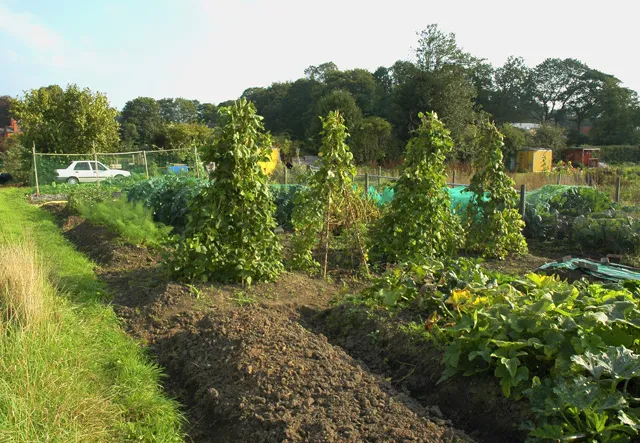
Photo: Gwilym James, CC BY-SA 2.0, via Wikimedia Commons
By the middle of November, sunset in most of the UK lands somewhere around quarter past four, and by the end of the month it's closer to half three. That leaves the average working gardener with a window between getting home and losing the light that is roughly the length of a sitcom, minus the bit where you get changed.
Twenty minutes. Maybe twenty-five if you're lucky and the shed torch has batteries in it.
The trick isn't to cram a full weekend's list into that window. It's to pick jobs that fork neatly into a meal, so the plot keeps paying even when the light has gone.
The twenty-minute rule
One job. One tool. One outcome. And a line that connects it to supper.
If a job doesn't end in something edible, or in something protected that will be edible in January, it waits for Saturday morning. That single rule has kept more November plots productive than any amount of enthusiasm.
Job one: lift a row of roots
Time: fifteen minutes. Tool: garden fork. Supper: roast roots with the Sunday joint, or a tray of them on a Tuesday with sausages.
Parsnips are at their best now, and they get sweeter after a frost, so if yours haven't had one yet, leave them a bit longer and lift as you need them. Carrots in heavy soil are better lifted before the ground gets properly cold, or mulched deeply and left. Beetroot won't thank you for a hard freeze.
Fork under the row rather than pulling by the tops — the tops will come away in your hand and you'll be left with a hole and a bad mood. Twist the leaves off rather than cutting them, which stops the root bleeding. Anything you're not eating this week goes into a box of slightly damp sand in the shed, where it will keep for weeks.
Job two: throw fleece over the salad
Time: five minutes. Tool: fleece and a few pegs. Supper: winter leaves under a poached egg, or stirred through a hot pasta at the last second.
Winter lettuce, land cress, mizuna, claytonia and overwintering spinach will all keep going under a single layer of fleece in most of the country. It's the cheapest crop insurance going. Lift the fleece on mild, breezy days to let the air through and cut back hard on the watering.
Watch the slugs, which regard a fleece-covered salad bed as a hotel with excellent room service.
Job three: take down the bean poles
Time: twenty minutes. Tool: secateurs. Supper: a bean and tomato stew from whatever you froze or bottled in September.
It's not glamorous, but getting the canes down and stored dry now means you can see the bed again, and it saves the canes from a winter of rot. Haulm goes on the compost heap unless it's diseased, in which case it goes in the bin. String gets wound up and kept — it always comes in useful.
And yes, the supper link here is from the freezer, not the plot. Some November jobs are about clearing the way for February.
Job four: sow a few hardy broad beans
Time: twenty minutes. Tool: a dibber or the handle of a trowel. Supper: actually, June.
This is the one job that doesn't pay out in November, and that's fine — you're allowed one forward-looking task a week. Aquadulce Claudia and The Sutton are the reliable choices for an autumn sowing. Space them about 20cm apart in a double row and pinch out the tips later to discourage blackfly.
One honest caveat: on heavy clay or anywhere that sits wet through winter, an autumn sowing often rots. If your soil holds water, wait until late February. Cold, well-drained ground is what these beans want; a soggy seedbed is just a slug buffet.
Job five: harvest by headtorch
Time: ten minutes. Tool: knife and trug. Supper: leek and potato soup, or a bowl of greens with everything.
Leeks, kale, sprouts and purple sprouting broccoli don't mind being cut in the dark. A headtorch and a sharp knife will get you a pan's worth of leeks in under ten minutes, and the plot will be no worse for it. Leeks stand in the ground happily until March, so take them as you need them rather than lifting the lot.
This is the job that carries the whole plan. It's the reason a twenty-minute window is worth opening the back door for.
The Saturday top-up
Weekends get the jobs that don't pay immediately:
- Net the brassicas against pigeons, which turn up the moment you stop looking.
- Check stored squash and onions for soft spots, and shuffle them so air keeps moving.
- Clear fallen leaves off the salad beds and into the leaf bin.
- Mulch around fruit bushes with well-rotted compost.
- Sharpen the hoe and oil the tools — a small thing that makes February much pleasanter.
What not to do in November
A short list, because it saves a lot of regret. Don't dig wet clay — you'll make bricks. Don't prune stone fruit; leave it until summer to avoid silver leaf. Don't sow a second spring just because a mild week has fooled you. And don't panic about weeds, because nothing much is growing except the things you want.
Keep a kit by the back door
Headtorch, gloves, a hand fork, a trug, fleece and pegs, twine, secateurs. If it lives in a bucket by the door, you'll use it. If it lives at the bottom of the shed behind the wheelbarrow, you won't.
Five twenty-minute evenings is nearly two hours of work a week. That's a row of roots lifted, a salad bed tucked up, a bed cleared and a few beans in the ground. Enough to keep the plot ticking over, and enough to keep supper coming from it.