Before the Catalogues Land: A Wet-November Plot Audit That Actually Changes Next Year

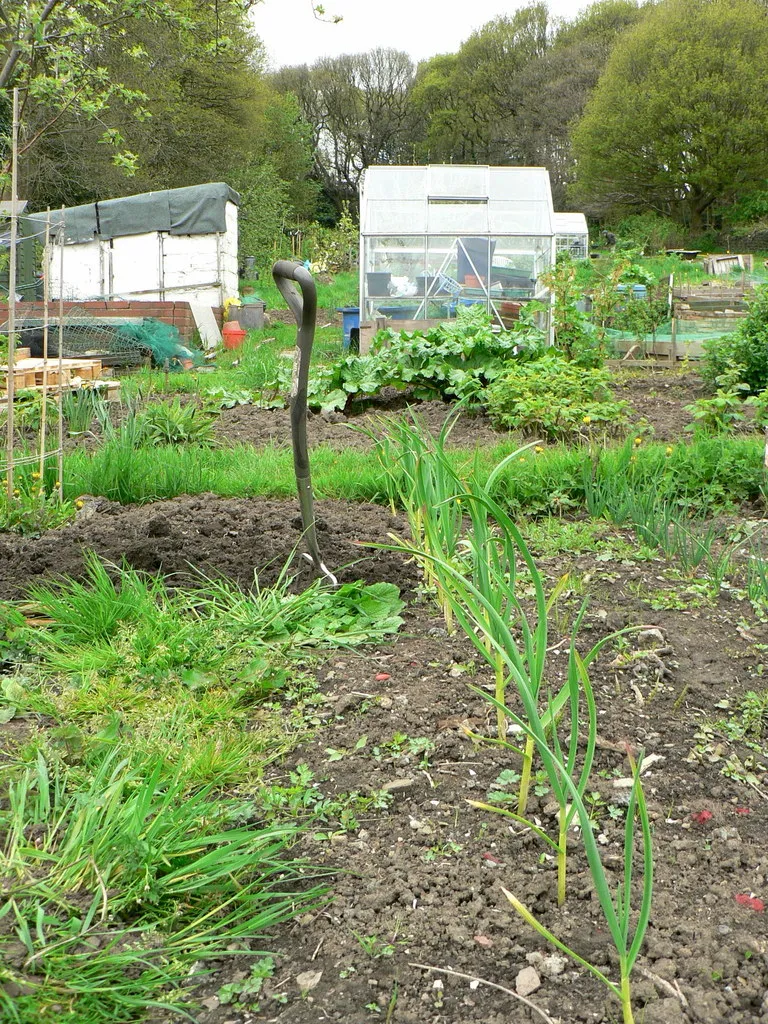
Photo: Cryonic07, CC BY-SA 3.0, via Wikimedia Commons
There is a particular kind of November afternoon on an allotment: the light goes early, the paths hold water, and the seed catalogues start arriving through the letterbox. It is tempting to skip straight to next year's varieties, but the plot is still talking. A wet-day audit — notebook, pencil, a walk round in boots — is the cheapest planning work you can do. It uses what actually happened this season rather than what you meant to happen.
Start with a wet-weather map
Go out after rain, not before. Walk the plot slowly and sketch what you see. Mark the beds, the paths, the shed, the tap, the compost bins, and the direction of the prevailing wind. Note where water sits longest. Note the corners that stay in shade for most of the morning and the beds that dry out first in summer.
This is not about producing a beautiful garden plan. It is about collecting evidence. A bed that floods every November is a drainage problem, not a failure of willpower. A bed that bakes in July may want more organic matter or a different crop. If you have raised beds, check whether the boards are bowing or the corners are rotting. If you have open ground, look at where soil has washed into the paths.
Review crops without rose-tinted glasses
Go through your notes, seed packets and photographs. If you did not keep notes, use memory and any photos on your phone. For each main crop, write down what went well, what went badly, and what was outside your control.
Be specific. “Tomatoes were disappointing” is not useful. “Tomatoes in bed 2 got blight in the second week of August; the outdoor bush varieties cropped earlier than the cordons” is useful. Note sowing dates, transplant dates and first harvest dates where you have them. Note varieties that resisted slugs, bolted late, or stored well. Note the ones you will not grow again — and be honest about whether that is the variety's fault or the weather's.
It also helps to separate crop failure from management failure. Clubroot, blight and a cold spring are not the same as forgetting to water or sowing too early. The first group asks for resistant varieties or a change of bed; the second asks for a simpler system.
Find the rotation gaps
List what grew in each bed this year and group crops by family: brassicas, roots, potatoes, legumes, alliums, salads, cucurbits. Then look for gaps. A sensible rotation does not need to be perfect on a small plot, but it should stop the same family sitting in the same spot year after year.
If you have clubroot or eelworm, rotation matters even more. Mark affected beds clearly. If a bed has grown brassicas for two seasons running, plan something else there next year. If legumes left a good structure, follow with a hungry crop. If you are unsure, a simple three- or four-bed rotation is better than an elaborate plan you will abandon by May.
Note the soil, not just the plants
Wet November is a good time to assess soil without digging it over. Look at texture, worm activity, compaction and how quickly water drains. Add compost or leaf mould to beds that are thin or tired. Avoid walking on wet soil where you can; use boards or paths. If a bed is compacted, plan to improve it with organic matter and deep-rooted green manures rather than trying to dig it into submission in the rain.
This is also the moment to check soil pH if you have a kit and have not tested for a few years. Most vegetables are tolerant, but brassicas and legumes appreciate knowing. Do not add lime just because a book says so; test first.
Make a repair list, then shorten it
Walk the plot with a critical eye and list every small repair: loose path edging, a wobbly gate, a dripping tap, a broken water butt stand, sagging netting, a shed door that sticks. Then mark each as urgent, useful or cosmetic. You will not do all of them in December, and you do not need to.
Urgent repairs are the ones that will cost more or cause damage if ignored: a leaking roof, a path that is washing away, a fence that lets in rabbits. Useful repairs make next season easier: better path surfaces, a proper tool rack, a second water butt. Cosmetic jobs can wait until the lighter days.
Turn the scribbles into three goals
This is the part most plot plans skip. A long list of ambitions is not a plan. Choose three goals for the next growing year — no more. Make them specific enough that you can tell whether you have done them.
For example:
- Improve drainage in the lowest bed by adding organic matter and a shallow path drain before spring.
- Grow fewer varieties but succession-sow them so you have salad and greens over a longer period rather than a June glut.
- Keep a weekly plot log with sowing dates, harvest dates and one line about the weather.
Three goals are realistic alongside work, family and the weather. Write them on a single sheet of paper and pin it inside the shed door. When the catalogues arrive, use them as a filter: does this purchase help me meet one of these goals, or is it just a pretty packet?
A one-page plan beats a perfect one
By the end of the audit you should have a rough map, a crop review, a rotation sketch, a repair list and three goals. That is enough. Put the date on it. Add a simple calendar for the main sowings and expected harvests. Leave space for notes.
The point of a November audit is not to predict next season. It is to stop next season from starting with the same avoidable mistakes. The plot will still surprise you — it always does — but a wet afternoon with a notebook gives you a better chance of being surprised by something good.