Four Trays to Festive Plates: Starting Windowsill Microgreens in November
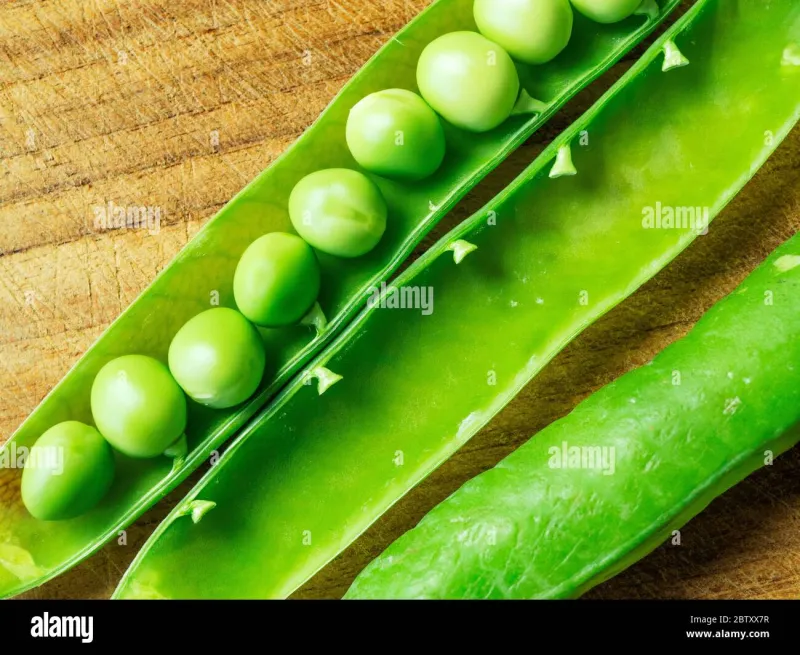
Photo: pea shoots microgreens growing in tray on bright windowsill winter, via c8.alamy.com
November is not the end of the growing year so much as the moment it moves indoors. The plot is wet, the light is thin, and the seed catalogues are still weeks away from being properly useful. But a windowsill is a growing space too, and microgreens are the quickest way to prove it. These are not sprouting jars exactly — they are shallow trays of seedlings cut young, somewhere between a seed and a salad. Sow a few trays now and you can carry fresh, sharp, green garnish right through to the Christmas table.
Why microgreens make sense now
December food is rich. Roasts, pies, smoked salmon, cheese, gravy, leftovers piled on leftovers. What it wants is something fresh and peppery to cut through all that. A punnet of microgreens from the shop costs a few pounds and often arrives half wilted. A tray on the sill costs pennies, takes up less space than a washing-up bowl, and can be cut in a week or two depending on what you sow.
They also suit the UK winter reality: no greenhouse, no heat, no elaborate kit. A bright window, a little warmth from the room, and a willingness to check them daily is most of the job.
Choose four that earn their windowsill space
Pea shoots are the sweet, substantial one. Soak dried peas for eight to twelve hours first, then sow them thickly. They take around ten to fourteen days to reach cutting height and give a proper mouthful — good with roast squash, smoked salmon, or crammed into a Boxing Day sandwich. Use food-grade dried peas from a wholefood shop or supermarket, not garden peas that may have been treated.
Radish is the speed merchant. Sow it and you can be cutting in five to eight days. The flavour is peppery and clean, excellent with blinis, beef sandwiches, or anything that needs waking up.
Cress is the cheapest experiment of the lot. It will grow on damp kitchen paper in a reused punnet, no compost required. Five to seven days and it is ready. The flavour is familiar and mild, which makes it the one everyone actually eats.
Mustard brings the heat. Red or purple varieties look good on a plate and taste sharp enough to stand up to a cheese board. Six to ten days, and it is less fussy about light than some of the others.
Containers, compost and the cheap setup
You do not need to buy anything special. Reused mushroom trays, supermarket punnets, old seed trays, deep takeaway containers — all fine, as long as you punch a few drainage holes in the bottom. Aim for three to five centimetres of compost. A basic multipurpose or seed compost is fine; sieve out the lumpiest bits if you can be bothered, then firm it lightly. Sow densely, because you are harvesting the whole tray, but not so densely that the seed sits in a solid mat. Cover peas, radish and mustard with a thin scattering of compost or vermiculite. Cress can go straight onto damp kitchen paper.
Water with a spray bottle rather than a watering can, at least until the seedlings are up. Label each tray with the variety and the sowing date — you will think you will remember, and you will not. Stand the trays in a saucer or old plate to catch drips.
Light and warmth: the honest realities
A south-facing windowsill is the prize. East or west will work, especially for cress and mustard. A north-facing sill will give you slower, leggier seedlings, though a cheap LED strip light can rescue the situation if that is all you have.
Turn trays a quarter turn each day so the seedlings do not lean permanently towards the glass. Legginess means they are stretching for light; move them closer to the window or prop a piece of white card behind them to bounce light back. Room temperature of around 15–20°C is about right. Avoid the sill directly above a radiator, which dries trays out fast, and avoid pressing trays against freezing glass on a cold night.
Once germination has happened, microgreens do not need extra heat. In fact, cooler is usually better — it keeps them stocky and slows down the mould that thrives in still, warm, damp air.
The sow-along schedule
This is the useful bit: do not sow one big tray. Sow small and often. A simple November-to-December plan looks like this:
- Mid-November: first tray of pea shoots and a punnet of cress.
- Late November: radish and mustard.
- Early December: second pea tray and more cress.
- Mid-December: a final fast tray of radish or mustard for the days around Christmas.
Four small trays, staggered by roughly ten days, will keep you in cut-and-come-again garnish without a glut. Each tray, once cut, gives enough for a few meals rather than a fortnight.
Cutting and keeping
Harvest when the seedlings are five to ten centimetres tall and the first true leaves are just appearing. Use scissors and cut just above the compost line. Do not wash them if you are using them straight away; if you do rinse, dry them well in a clean tea towel or salad spinner. Store cut greens in a tub lined with damp kitchen paper in the fridge and use within three or four days. Most trays will not regrow usefully after cutting, so compost them and start the next batch.
From sill to festive table
Pea shoots are the ones for the roast tin — scattered over squash, piled next to smoked salmon, or tucked into a turkey sandwich with too much mayonnaise. Radish microgreens wake up a plate of beef or a plate of blinis. Mustard is for the cheese board and the leftover pie. Cress belongs on devilled eggs, in a soup garnish, or stirred through Boxing Day bubble and squeak. Add them at the last minute; they wilt fast under heat.
Troubleshooting
Mould is the main enemy. Improve airflow, water from the bottom, and do not sow so thickly that the surface stays soggy. If a patch fuzzes over, scoop it out and cut back on watering. Slow growth usually means cold or low light rather than bad seed. Leggy seedlings need more light, not more food. Fungus gnats are a sign of wet compost; let the surface dry between waterings.
The whole point of this is that it is small and forgiving. A tray fails, you sow another. By the time the Christmas plates come out, you will have cut something green from your own windowsill, and that is a modest but genuinely good thing.