Paper Packets, Dry Pods: Closing the Seed Loop Before the Frost Bites
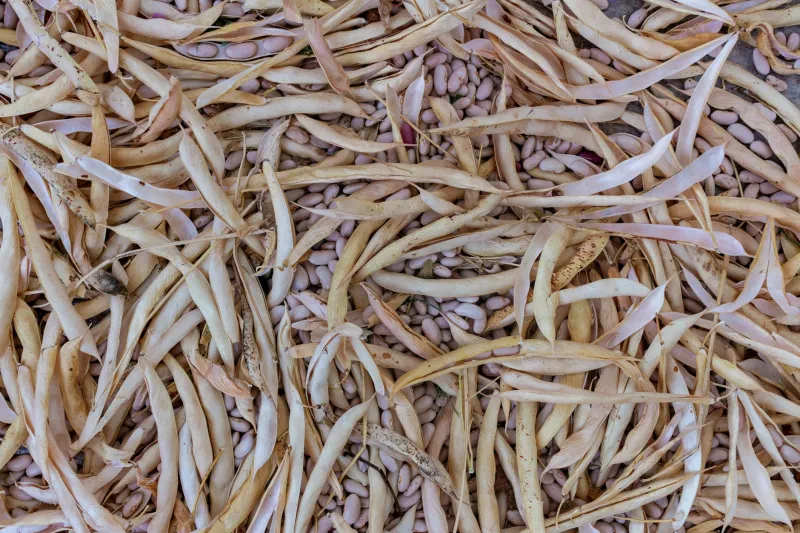
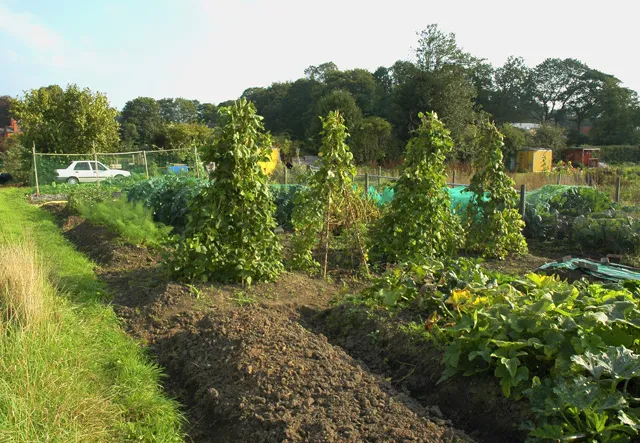
There's a particular sort of quiet on the plot in mid-November. The runner frames are down to bare string, the last courgette has collapsed into something unmentionable, and the seed catalogues are already starting to arrive. But if you grew beans this year — runners, climbing French, a tidy row of dwarfs — there's still a free harvest hanging out there, and it isn't for the kitchen. It's next year's seed, sitting in pods that need to be off the plant and properly dry before the first hard frost gets to them.
Most people leave this too late. 'Nearly dry' is how a good intention turns into a mouldy paper packet in March.
Choose the plant, not just the pod
The instinct is to strip the fattest pods off whichever plant cropped hardest. That's not quite the right filter. Save from the plants that stayed healthy — the ones that shrugged off rust, didn't fold under blackfly, and stood up straight when their neighbours went floppy. Vigour and disease tolerance are at least partly heritable, and you want the genetics of a survivor rather than the genetics of a heavy cropper that spent August looking peaky.
Also skip anything from a plant that bolted early, produced oddly shaped beans, or spent the summer sulking. And leave the pods on the plant a fortnight longer than you'd pick for eating — you want them leathery and starting to rattle, not the tender ones that snap cleanly. Those are for supper.
The F1 question, briefly
If you grew an F1 variety — and plenty of modern climbing French beans are sold as F1 — the seed you save won't come true. You'll get a mix: sometimes interesting, often a bit disappointing, rarely what you paid for. That's not a reason to skip it, just a reason not to be surprised in July.
Open-pollinated and heritage varieties will breed true, provided they haven't crossed with something else nearby. Beans are pretty reliable self-pollinators, but runner beans are the exception — they're famously promiscuous, and a neighbour's runner flowering within half a mile can turn your seed into a lottery. If you're saving runners, make a note of what else was in flower around you.
The windowsill shuffle
Cut the pods with a short stalk attached rather than pulling them off — you'll avoid tearing the plant and the pods dry more evenly. Spread them in a single layer on newspaper or an old seed tray. Piling them up is the classic mistake; they sweat, and sweaty pods go mouldy before they go papery.
A sunny windowsill, a warm spare room, or the top of a cupboard all work. Turn them every couple of days. You're looking for brittle, papery pods that rattle when you shake them — usually two to four weeks, depending on how damp the autumn has been. Resist the urge to speed things up in a low oven; you'll cook the embryo and end up with a packet of dead seed. If the room is humid, a small sachet of silica gel in the tray helps matters along.
Shelling, labelling, and the paper packet
Once the pods rattle, shell them over a bowl. Discard any beans with a dark eye, a wrinkled skin, or a neat little hole — weevils adore a stored bean and one infested jar can ruin a whole season's saving. Let the shelled beans sit out for another few days to finish drying, then pack them.
Envelopes beat plastic bags every time. Beans need to breathe, and a sealed bag is an invitation to condensation. Label properly: variety, date, and where on the plot it grew. 'Cobra, Nov 2026, bed 3 north end' will tell you far more in March than 'beans' ever will. Store in a cool, dark, dry spot — a shoebox in a spare room is ideal. The fridge is too damp, and a shed is fine only if it's the sort of shed that doesn't grow its own mould.
The spring germination test
Before you commit a whole row to seed of unknown viability, run a quick test in February or March. Ten beans on damp kitchen paper, a saucer, a warm windowsill. Check after a week. Seven or eight sprouting means you're in business; three means sow them thickly and plan a trip to the garden centre. It's a five-minute job that saves a lot of head-scratching in June.
Closing the loop
What you end up with is a small envelope in your own handwriting, containing beans you grew, picked, dried and kept. On an allotment, that's the quiet satisfaction of the whole thing — not self-sufficiency in the romantic, back-to-the-land sense, but a small closed circle of bean, pod, bean. It also makes the spring seed swap far more interesting when you've actually got something to bring, and there's a particular pleasure in handing a neighbour a packet of something that did well on your plot and watching it appear on theirs the following year.
The frost will come, as it always does. The trick is to have the pods in before it does.